Jun 26, 2026Comparisons
Why Durable Synthetic Labels Are More Cost-Effective Than Paper Labels in Warehousing and Logistics
Discover why durable synthetic labels outperform paper labels in warehouse and logistics applications by reducing barcode failures, replacement costs, and operational downtime.
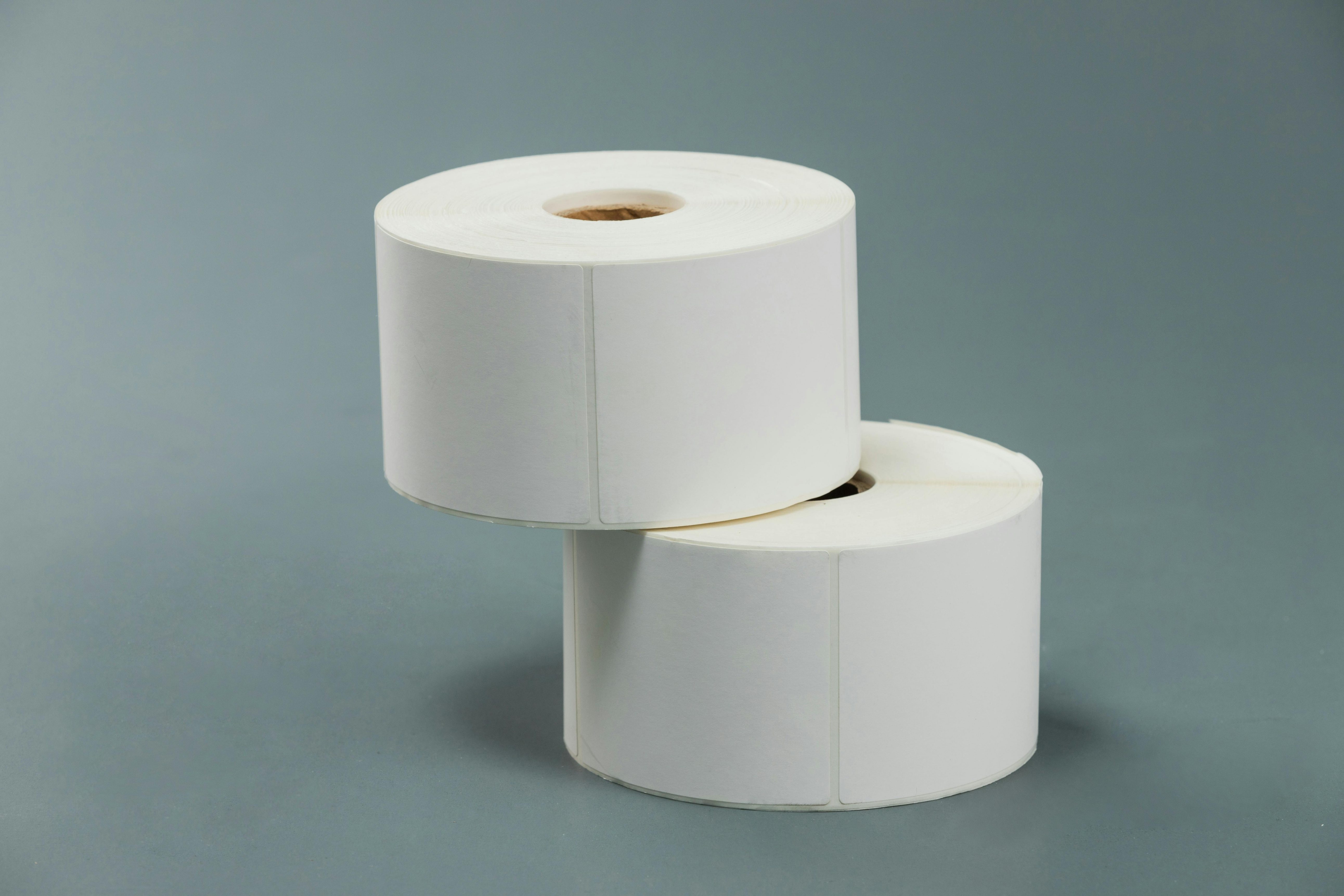
Why Durable Synthetic Labels Are More Cost-Effective Than Paper Labels in Warehousing and Logistics
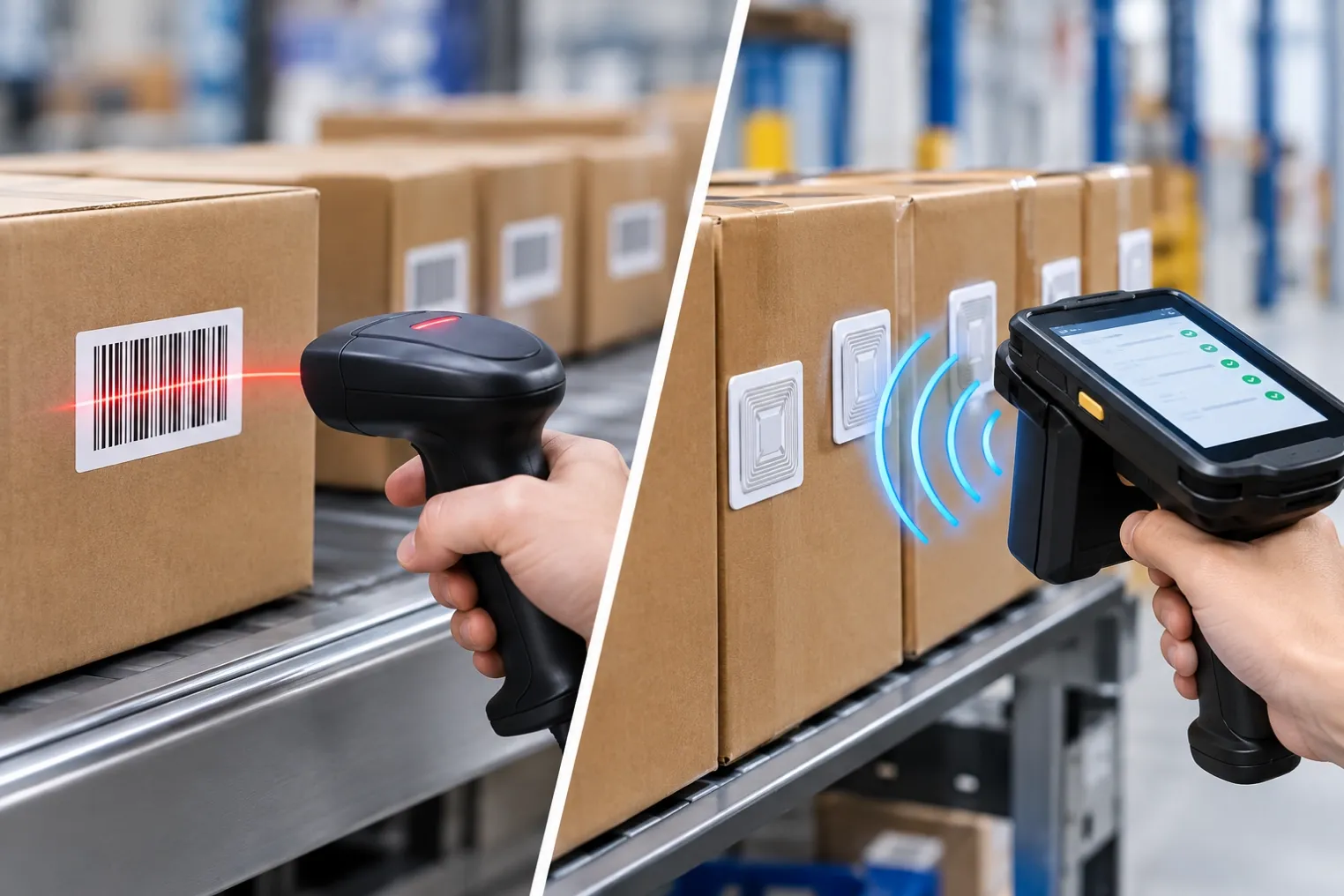
Warehousing and logistics operations depend heavily on accurate labeling. From barcode tracking and inventory management to shipping identification and pallet organization, labels play a critical role in supply chain efficiency.
Many businesses still use paper labels because of their lower upfront cost. However, in demanding warehouse and logistics environments, paper labels often fail much faster than expected. Smudging, tearing, moisture damage, and barcode unreadability can quickly lead to operational disruptions and hidden replacement costs.
This is why more logistics companies are switching to durable synthetic labels.
In this article, we will compare synthetic labels and paper labels in real warehouse environments and explain why synthetic labels provide better long-term value, improved durability, and lower total operating costs.
What Are Synthetic Labels?
Synthetic labels are industrial-grade labels made from durable materials such as:
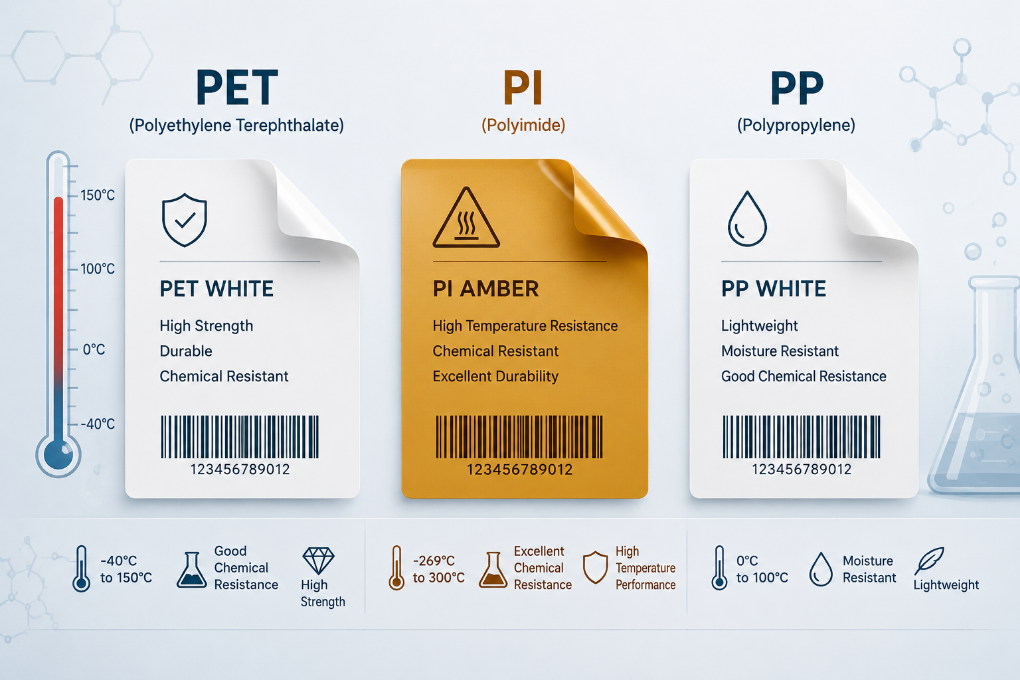
- PET (Polyester)
- PP (Polypropylene)
- PE (Polyethylene)
- BOPP films
Unlike traditional paper labels, synthetic labels are designed to withstand harsh environmental conditions, including:
- Abrasion
- Moisture
- Chemicals
- Temperature fluctuations
- Frequent handling
- Outdoor exposure
These labels are commonly used together with thermal transfer printing and resin or wax/resin ribbons to achieve long-lasting barcode and text durability.
What Are Paper Labels?
Paper labels are made from coated or uncoated paper materials and are widely used in short-term applications.
They are commonly chosen because of:
- Lower initial material cost
- Easy printability
- Availability
- Suitable performance for indoor temporary use
However, paper labels are generally less resistant to:
- Water
- Friction
- Chemicals
- Warehouse handling
- Cold storage environments
As a result, they often require frequent replacement in logistics operations.
Why Label Durability Matters in Warehousing and Logistics
Warehouse environments are more demanding than many businesses realize.
Labels may be exposed to:
- Forklift movement
- Repeated scanning
- Dust and dirt
- Shrink wrapping
- Moisture
- Outdoor loading docks
- Freezer or cold-chain conditions
- Heavy package handling
When labels fail, the consequences can include:
- Barcode scanning failures
- Shipment delays
- Inventory inaccuracies
- Misplaced pallets
- Manual data entry
- Re-labeling labor costs
- Customer complaints
Even a low-cost paper label can become expensive when failures interrupt warehouse efficiency.
Synthetic Labels vs Paper Labels: Key Differences
Feature | Synthetic Labels | Paper Labels |
|---|---|---|
Durability | Excellent | Limited |
Water Resistance | High | Poor |
Tear Resistance | Strong | Weak |
Chemical Resistance | Good | Low |
Barcode Longevity | Long-term | Short-term |
Outdoor Use | Suitable | Not recommended |
Cold Storage Performance | Excellent | Often problematic |
Initial Cost | Higher | Lower |
Total Long-Term Cost | Lower | Higher |
The Hidden Costs of Paper Labels
At first glance, paper labels appear cheaper. However, many companies overlook the hidden operational costs associated with label failures.
1. Frequent Replacement Costs
Paper labels can easily become damaged during transportation and handling.
Common problems include:
- Torn corners
- Smudged print
- Detached adhesive
- Faded barcodes
This creates additional expenses for:
- Reprinting
- Re-labeling
- Labor time
- Operational interruptions
2. Barcode Scanning Failures
In warehouse logistics, barcode readability is critical.
Damaged paper labels may force workers to:
- Scan multiple times
- Enter data manually
- Replace labels immediately
This slows down warehouse throughput and increases labor costs.
Durable synthetic barcode labels maintain scan accuracy for much longer periods.
3. Inventory Management Errors
Unreadable or missing labels can lead to:
- Incorrect inventory counts
- Shipping mistakes
- Lost inventory
- Delayed fulfillment
For high-volume warehouses, even small labeling failures can create major supply chain disruptions.
4. Poor Performance in Harsh Conditions
Paper labels struggle in environments such as:
- Refrigerated warehouses
- Freezer storage
- Humid shipping areas
- Outdoor logistics yards
Synthetic labels are specifically designed for these demanding applications.
Why Synthetic Labels Offer Better Long-Term Value
Longer Service Life
Synthetic labels remain readable and attached for extended periods, reducing replacement frequency.
This is especially important for:
- Pallet labels
- Rack labels
- Long-term inventory labels
- Asset tracking
- Returnable packaging
Better Resistance to Abrasion and Handling
Warehouse labels are constantly touched, scanned, and moved.
Synthetic materials resist:
- Scratching
- Smearing
- Friction damage
When paired with resin thermal transfer ribbons, printed information can remain durable even under heavy industrial use.
Improved Warehouse Efficiency
Reliable labels help operations run more smoothly by reducing:
- Manual intervention
- Re-labeling downtime
- Scanning errors
- Shipping delays
This improves overall warehouse productivity.
Lower Total Cost of Ownership
Although synthetic labels cost more initially, they often reduce total operating expenses over time.
Businesses can save money through:
- Fewer label replacements
- Reduced labor costs
- Lower shipping error rates
- Better inventory accuracy
- Improved scanning efficiency
For many logistics operations, synthetic labels ultimately provide a much lower total cost of ownership.
Common Applications for Synthetic Labels in Logistics
Synthetic labels are widely used in:
Pallet Tracking
Durable barcode labels help maintain readable pallet identification throughout transportation and storage.
Shelf and Rack Labels
Warehouse rack labels require long-term durability and resistance to abrasion.
PET labels are commonly used for this purpose.
Cold Chain Logistics
Freezer-grade synthetic labels are ideal for:
- Frozen food logistics
- Pharmaceutical storage
- Medical laboratories
- Cryogenic transportation
Shipping and Distribution Centers
Synthetic labels maintain readability during:
- High-speed sorting
- Conveyor movement
- Outdoor loading
- Cross-border transportation
How to Choose the Right Synthetic Label Material
Different logistics environments require different label materials.
PET Labels
Best for:
- Industrial durability
- Long-term barcode tracking
- Warehouse shelves
- Asset labels
Advantages:
- High temperature resistance
- Excellent abrasion resistance
- Strong dimensional stability
PP Labels
Best for:
- General logistics
- Shipping labels
- Cost-effective durable labeling
Advantages:
- Good flexibility
- Water resistance
- Lower cost than PET
PE Labels
Best for:
- Curved surfaces
- Flexible packaging
Advantages:
- Soft and flexible material
- Good chemical resistance
Choosing the Right Ribbon for Synthetic Labels
The performance of synthetic labels also depends on the thermal transfer ribbon used.
Wax Ribbon
Suitable for:
- Paper labels
- Short-term indoor use
Wax/Resin Ribbon
Suitable for:
- PP labels
- Moderate durability requirements
Resin Ribbon
Best for:
- PET labels
- Harsh industrial environments
- Chemical resistance
- Long-term barcode durability
Using the correct ribbon combination significantly improves print performance and label lifespan.
Are Synthetic Labels Worth the Investment?
For most warehouse and logistics applications, the answer is yes.
If your operation experiences:
- Frequent label replacement
- Barcode scanning issues
- Warehouse handling damage
- Moisture exposure
- Cold-chain logistics challenges
Then synthetic labels can greatly improve operational reliability while reducing hidden long-term costs.
The initial material cost may be higher, but the operational savings often outweigh the difference.
Frequently Asked Questions
Are synthetic labels waterproof?
Yes. Most synthetic labels offer excellent water resistance compared to paper labels.
Can synthetic labels be used in freezer environments?
Yes. Many PET and specialized synthetic materials are designed for freezer and cold-chain applications.
Which ribbon is best for synthetic labels?
Resin ribbons or wax/resin ribbons are commonly recommended depending on the durability requirements.
Are synthetic labels more expensive?
The initial purchase price is higher, but they usually provide lower total long-term operating costs.
Conclusion
In modern warehousing and logistics operations, label durability directly impacts efficiency, accuracy, and operational cost.
While paper labels may appear economical initially, their shorter lifespan and higher failure rate often create hidden expenses through re-labeling, scanning errors, and workflow disruptions.
Durable synthetic labels provide stronger performance, longer service life, and better reliability in demanding logistics environments.
For businesses focused on long-term efficiency and supply chain accuracy, synthetic labels are often the more cost-effective investment.
Call to Action
Looking for durable synthetic labels and thermal transfer ribbons for warehouse and logistics applications?
We supply high-performance:
- PET labels
- PP labels
- Industrial barcode labels
- Freezer-grade labels
- Resin thermal transfer ribbons
- Wax/resin ribbons
with OEM/ODM customization support for global B2B customers.