
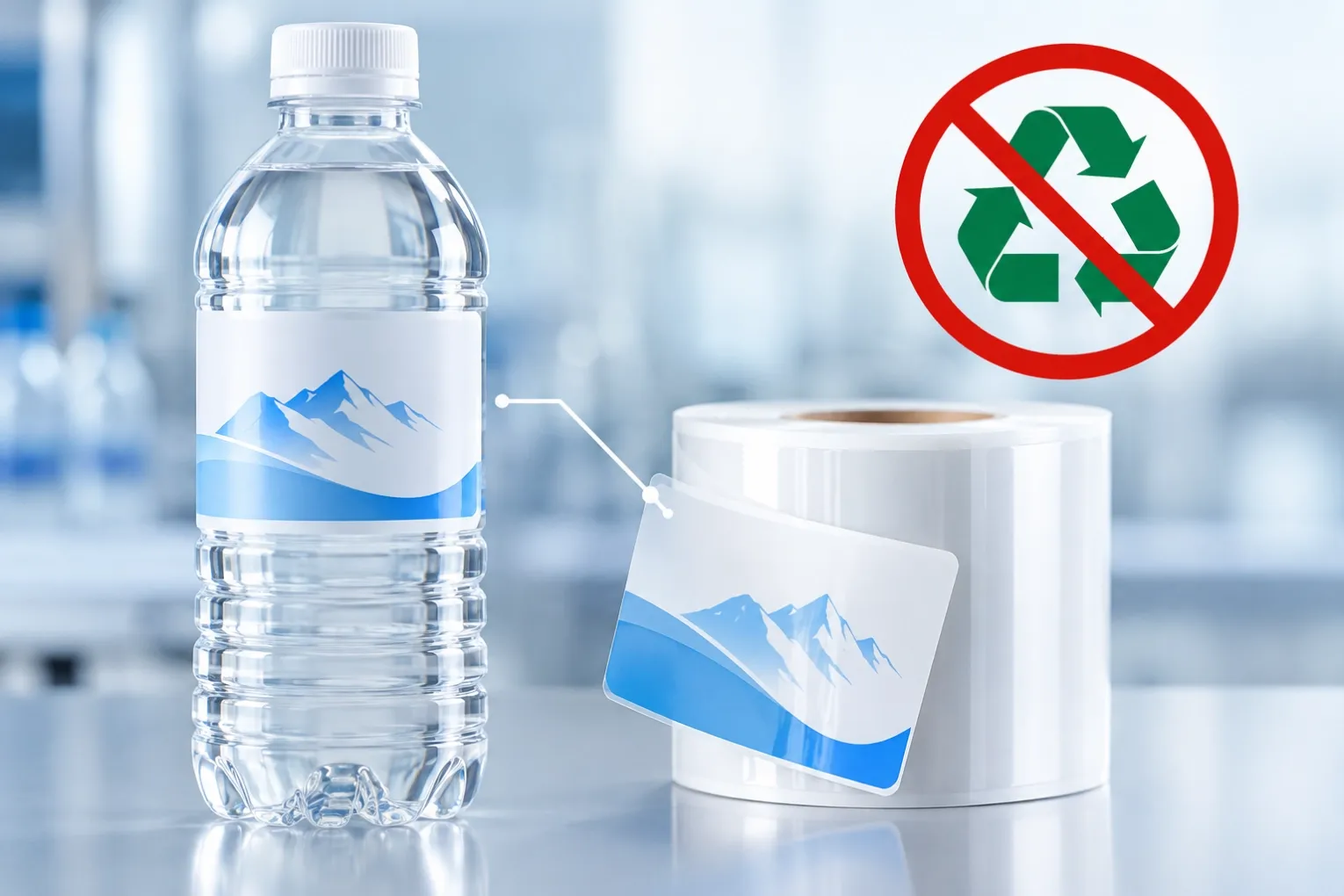
Sep 17, 2026Guides
Are PET Labels Really Eco-Friendly? The Truth About Recycling
PET bottles are widely recycled, but PET labels usually are not. Learn why most PET labels end up in landfill and which label materials are truly recyclable.
Journal
Read buying guides, material comparisons, application stories, and lab updates from our engineering team.
PET bottles are widely recycled, but PET labels usually are not. Learn why most PET labels end up in landfill and which label materials are truly recyclable.
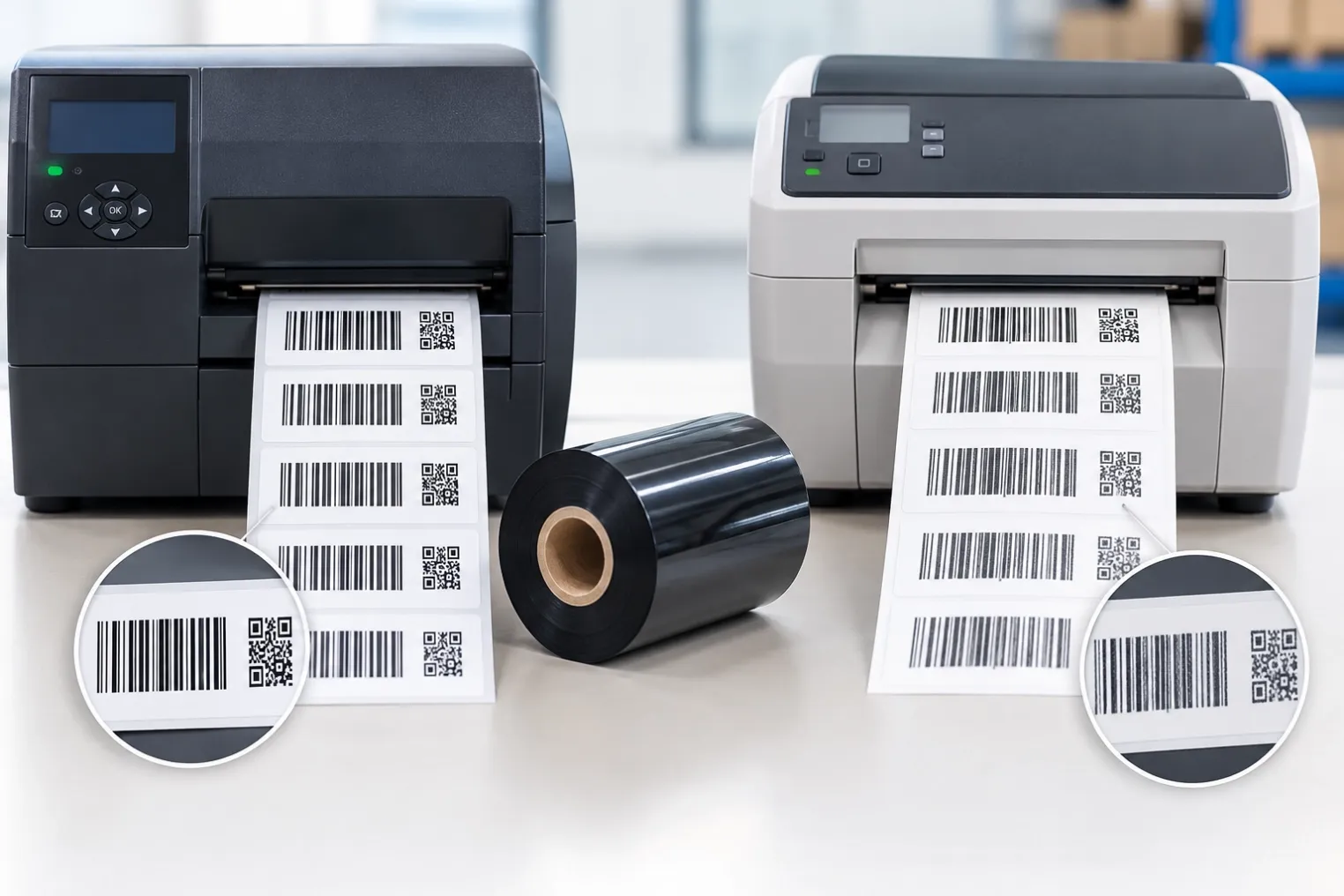
The same ribbon can produce sharp barcodes on one printer and faded prints on another. Learn why printer hardware, settings, and printhead condition cause performance differences.
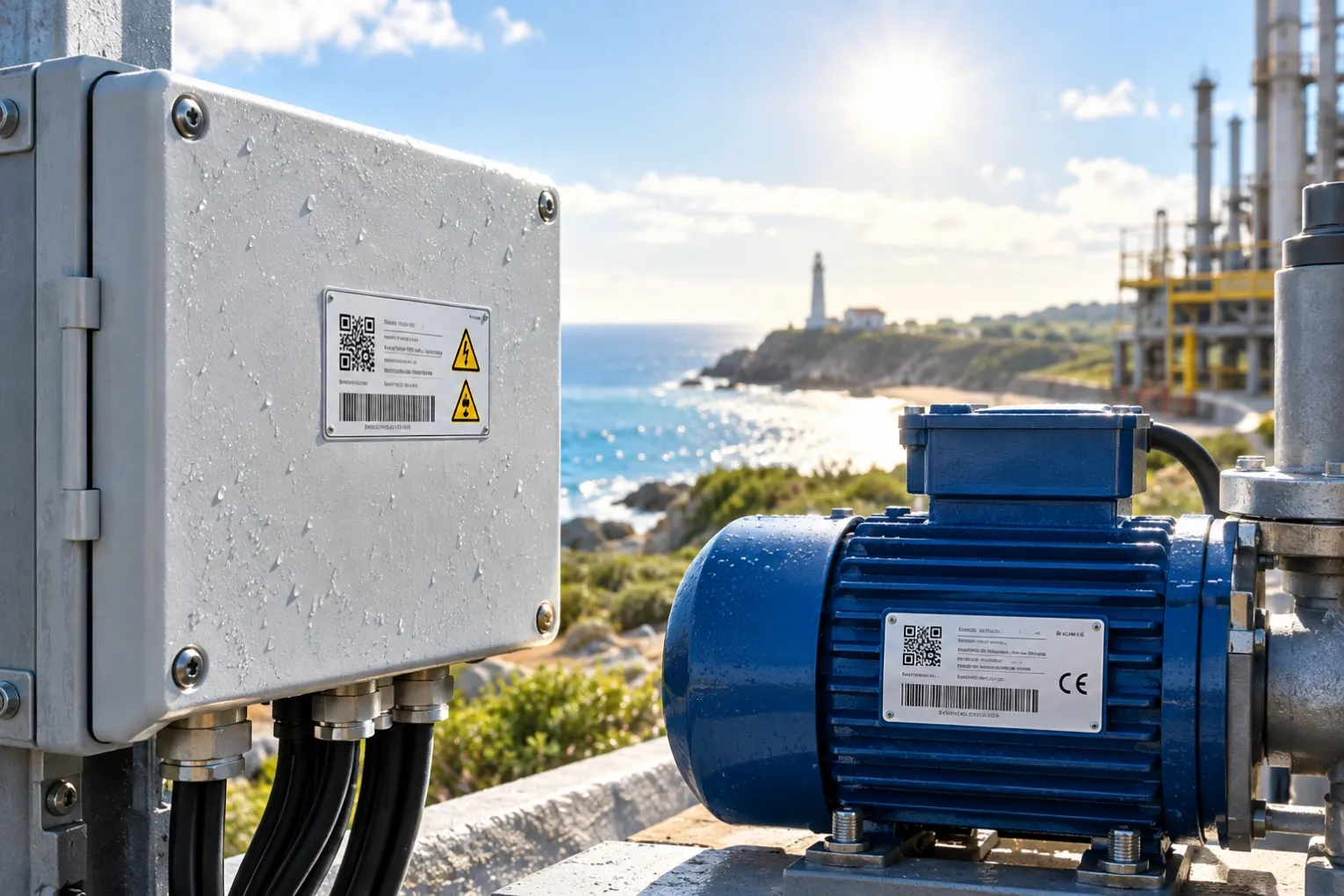
Outdoor labels must survive sun, rain, salt, and temperature swings. Learn how UV, salt spray, and humidity tests work and how to choose labels that last for years.
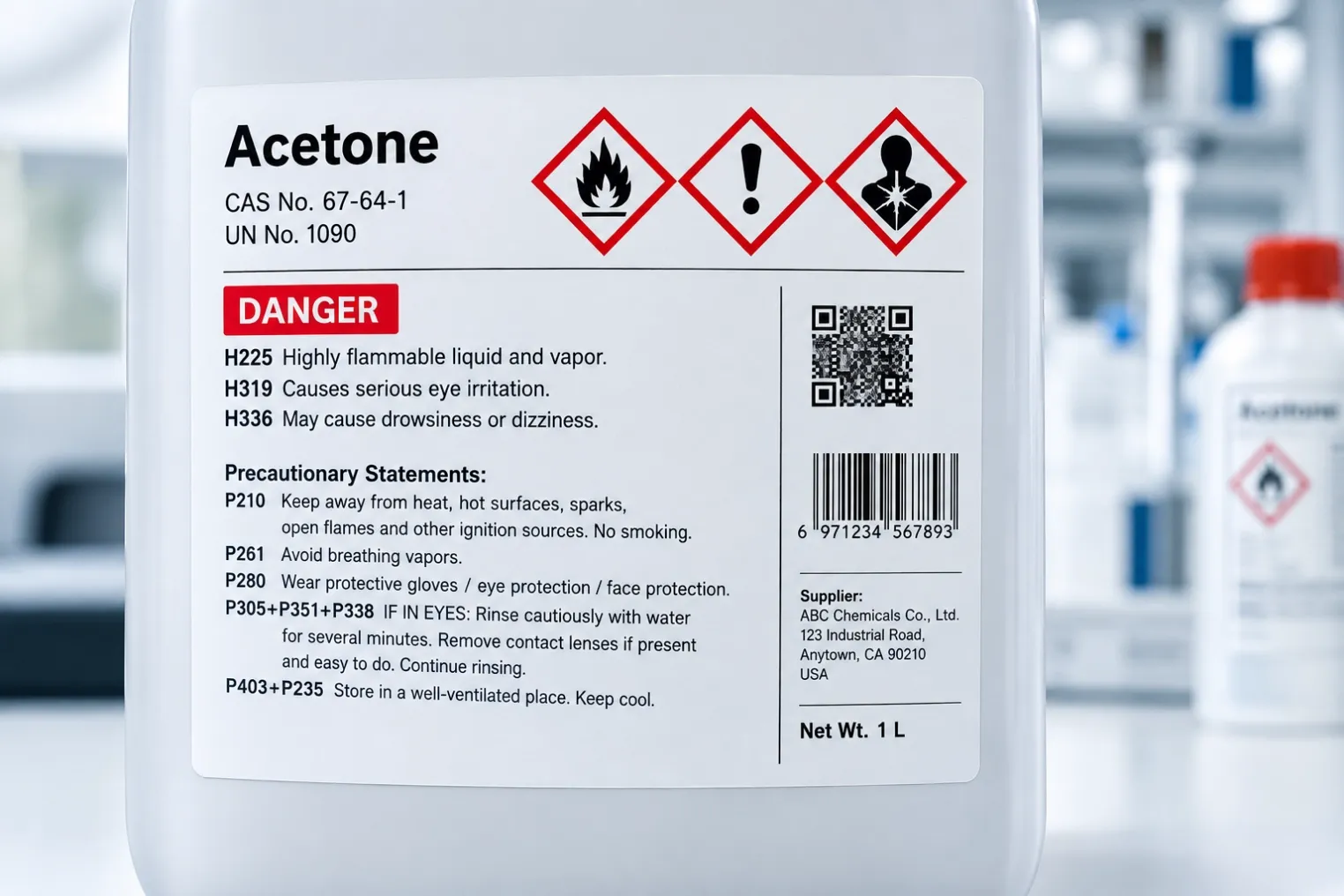
GHS labels must meet strict size, color, and durability standards to remain compliant. Learn the requirements and how to choose labels that pass inspection.
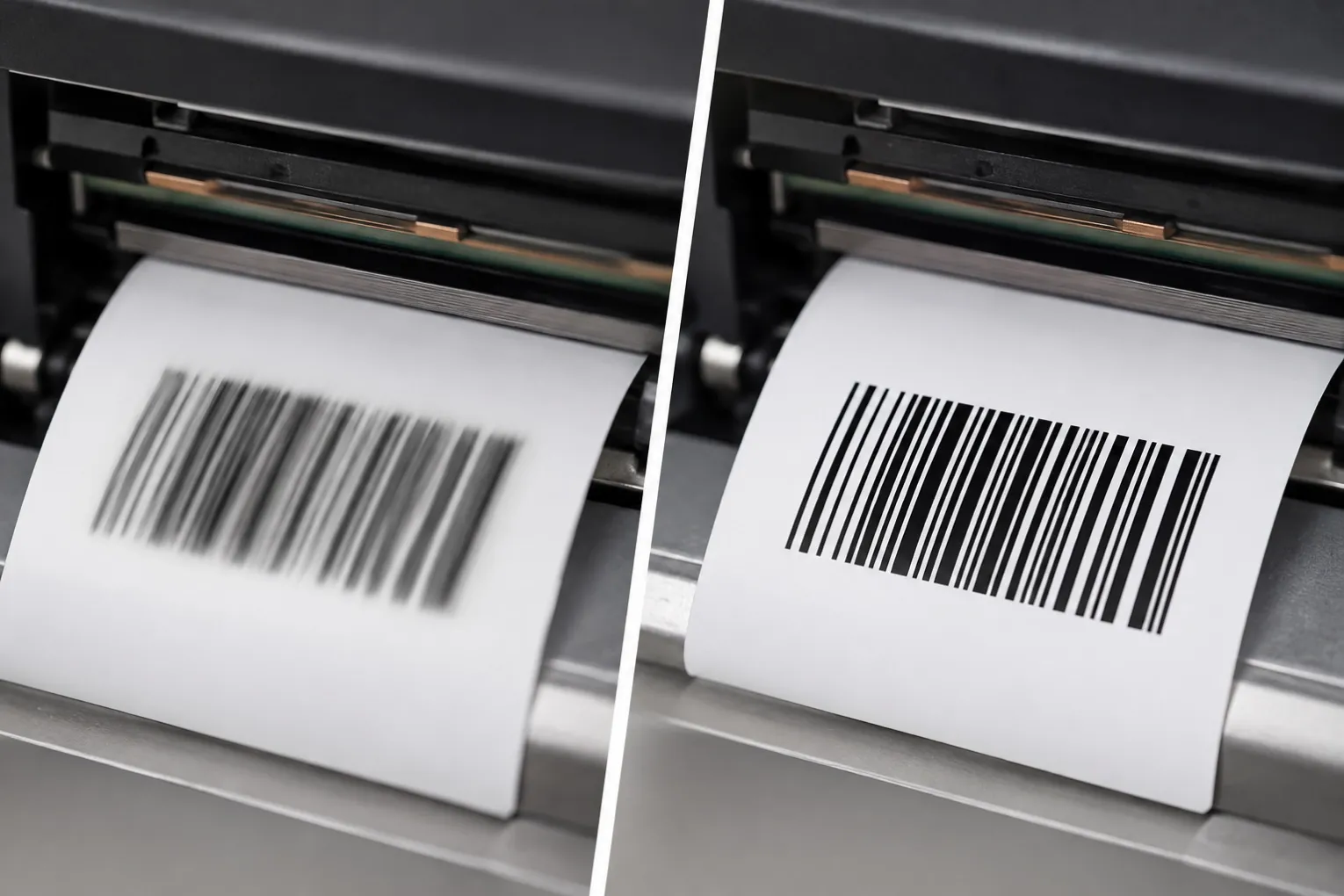
Print speed and darkness work together – adjusting one affects the other. Learn how to find the optimal balance for crisp barcodes, longer printhead life, and fewer scanning errors.
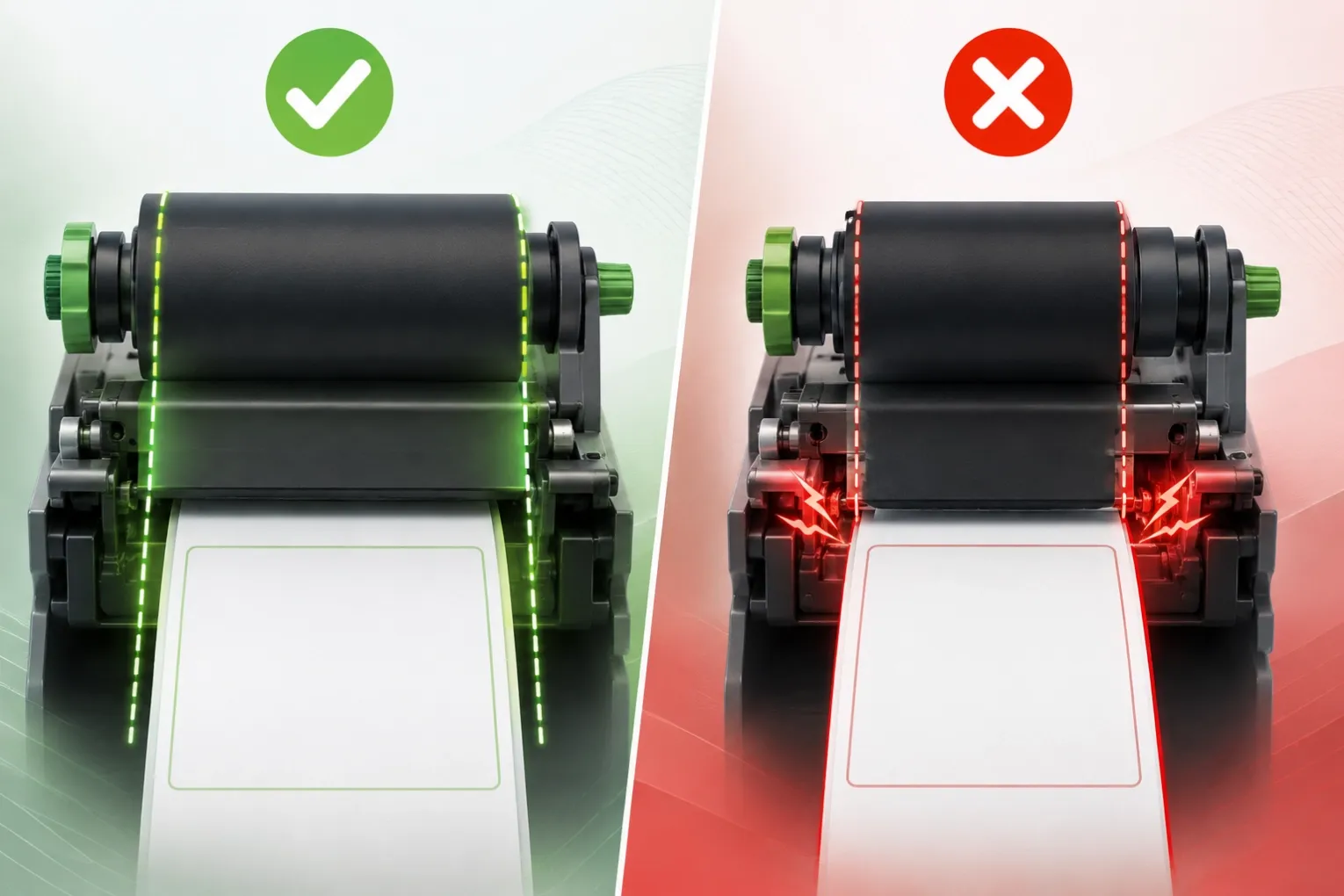
Using a ribbon that is narrower than your label is one of the fastest ways to damage your printhead. Learn why the ribbon must be wider, how much wider, and how to choose the right size.
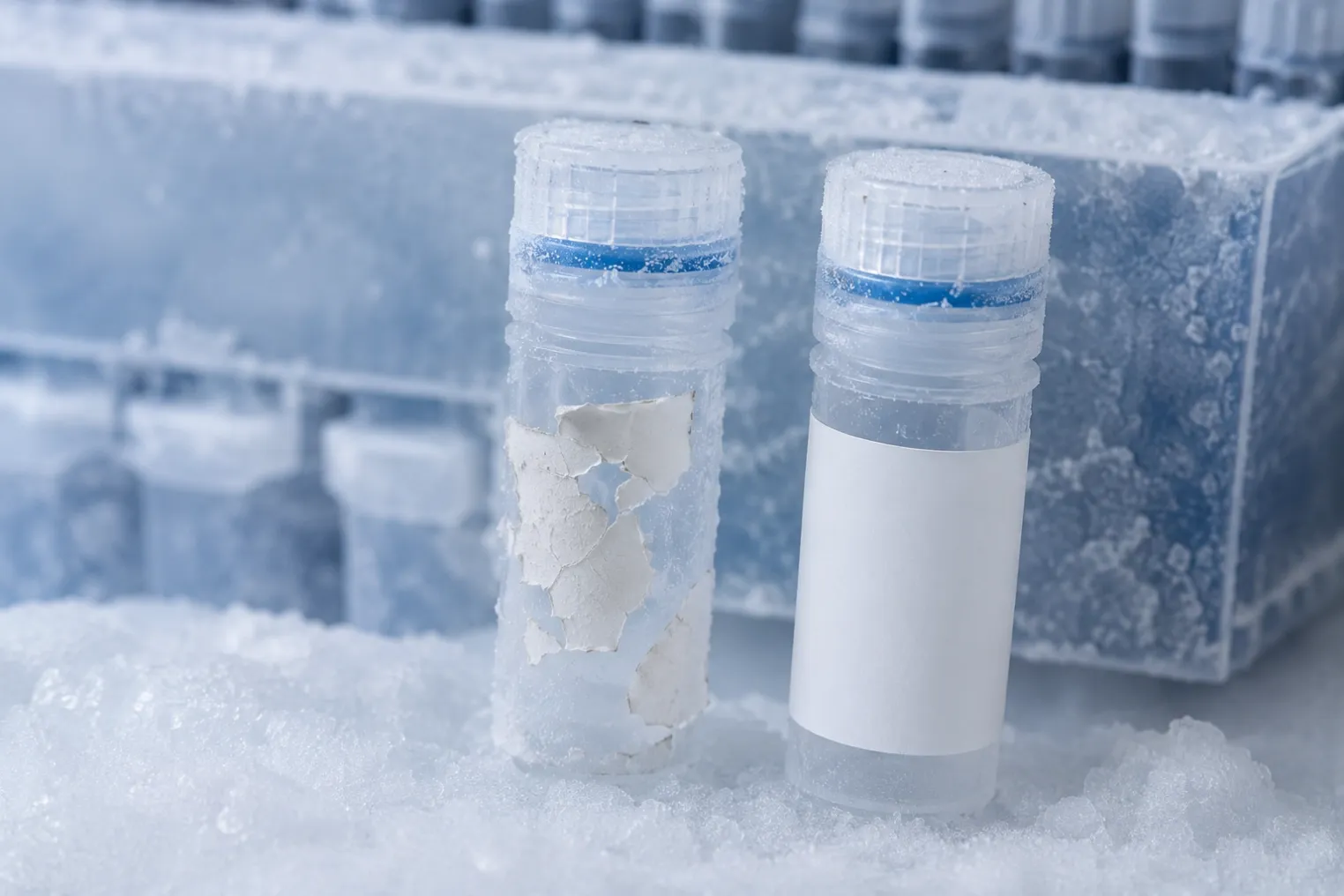
Labels crack and fall off in freezers and liquid nitrogen because of glass transition temperature (Tg). Learn what Tg is, why it causes label failure, and how to choose labels that survive the cold.
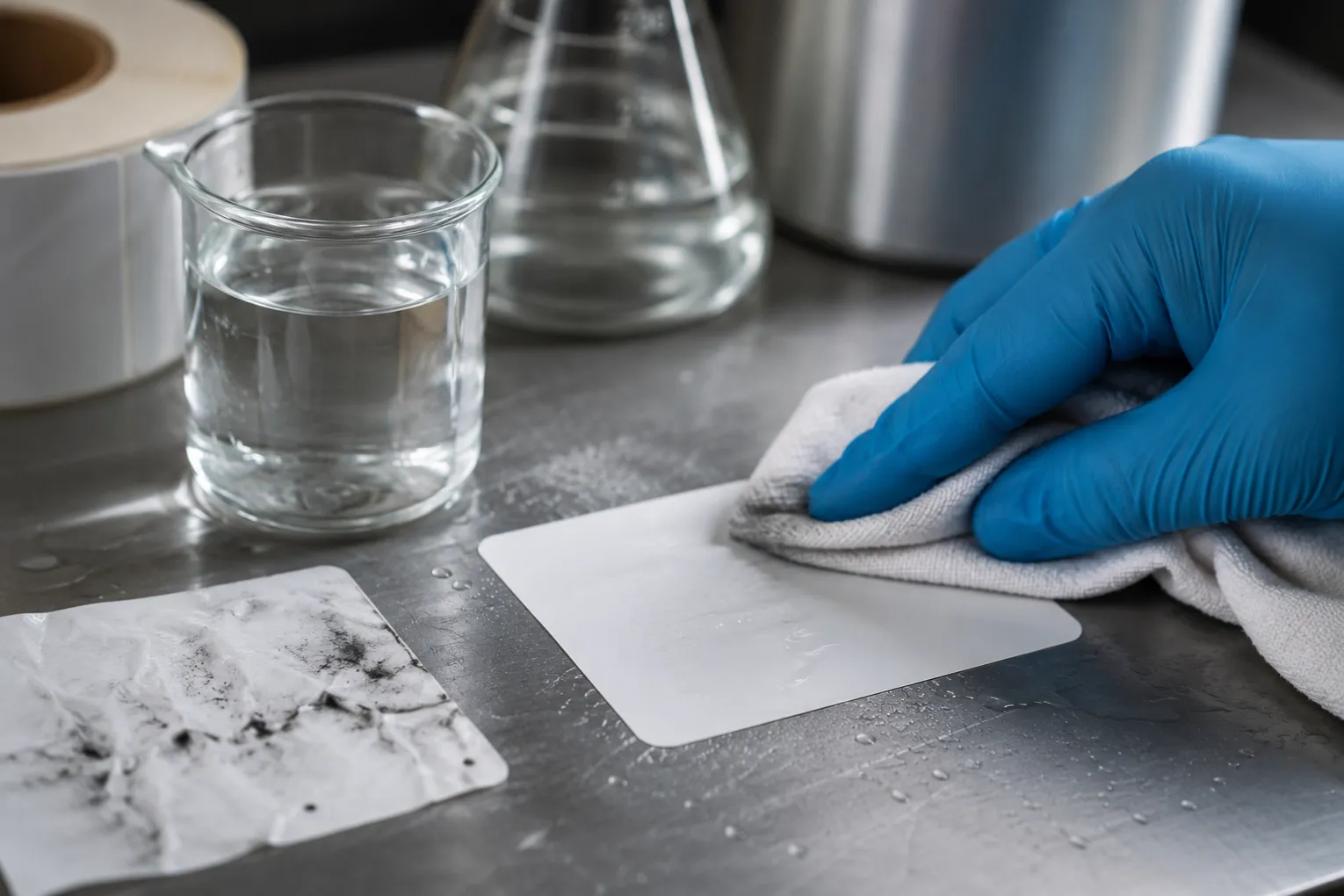
ASTM D5402 is the standard solvent rub test for assessing label and coating chemical resistance. Learn how it works, how to perform it, and how to interpret results for your application.
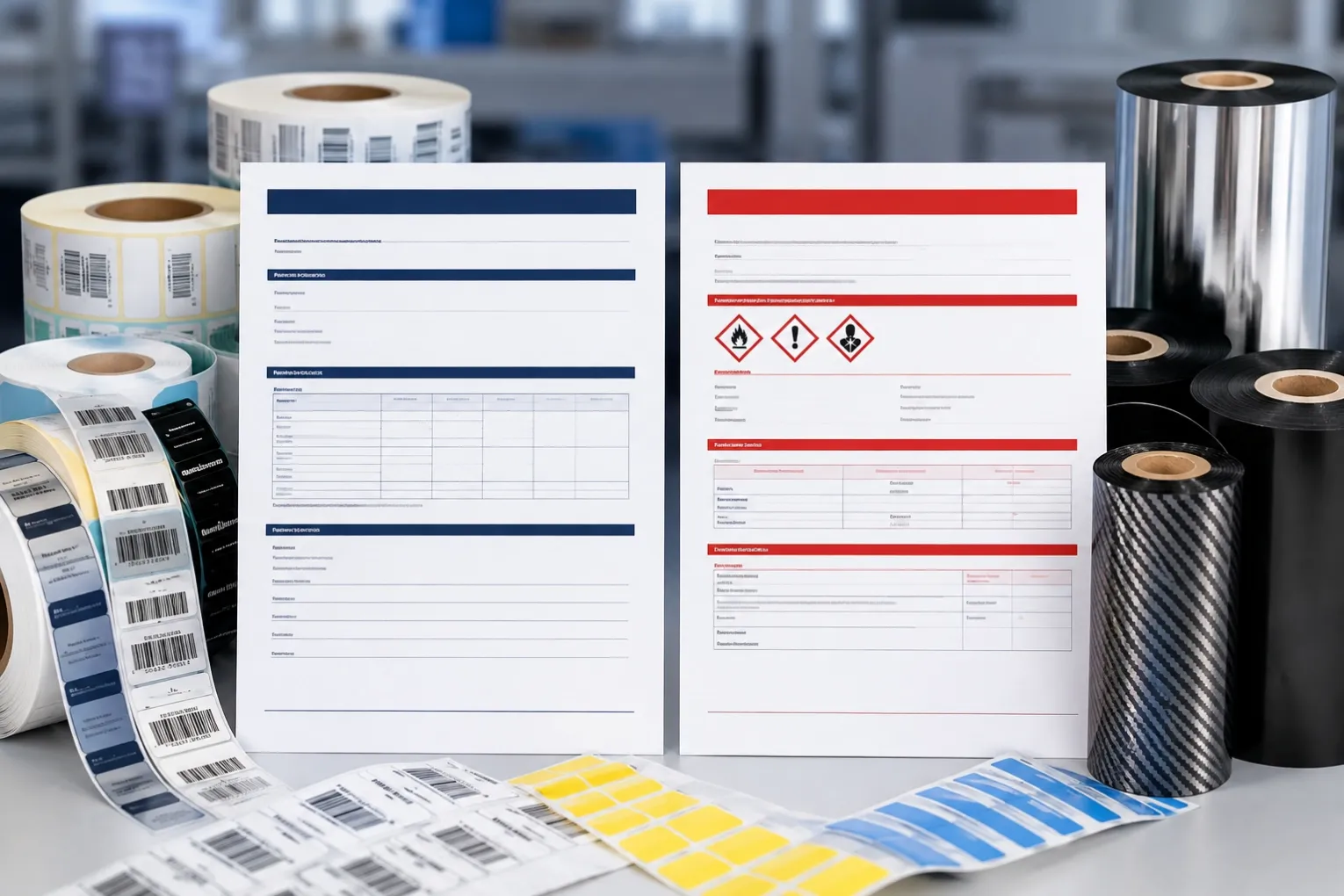
Technical Data Sheets and Safety Data Sheets contain critical information about label and ribbon performance. Learn how to read them and make better purchasing decisions.
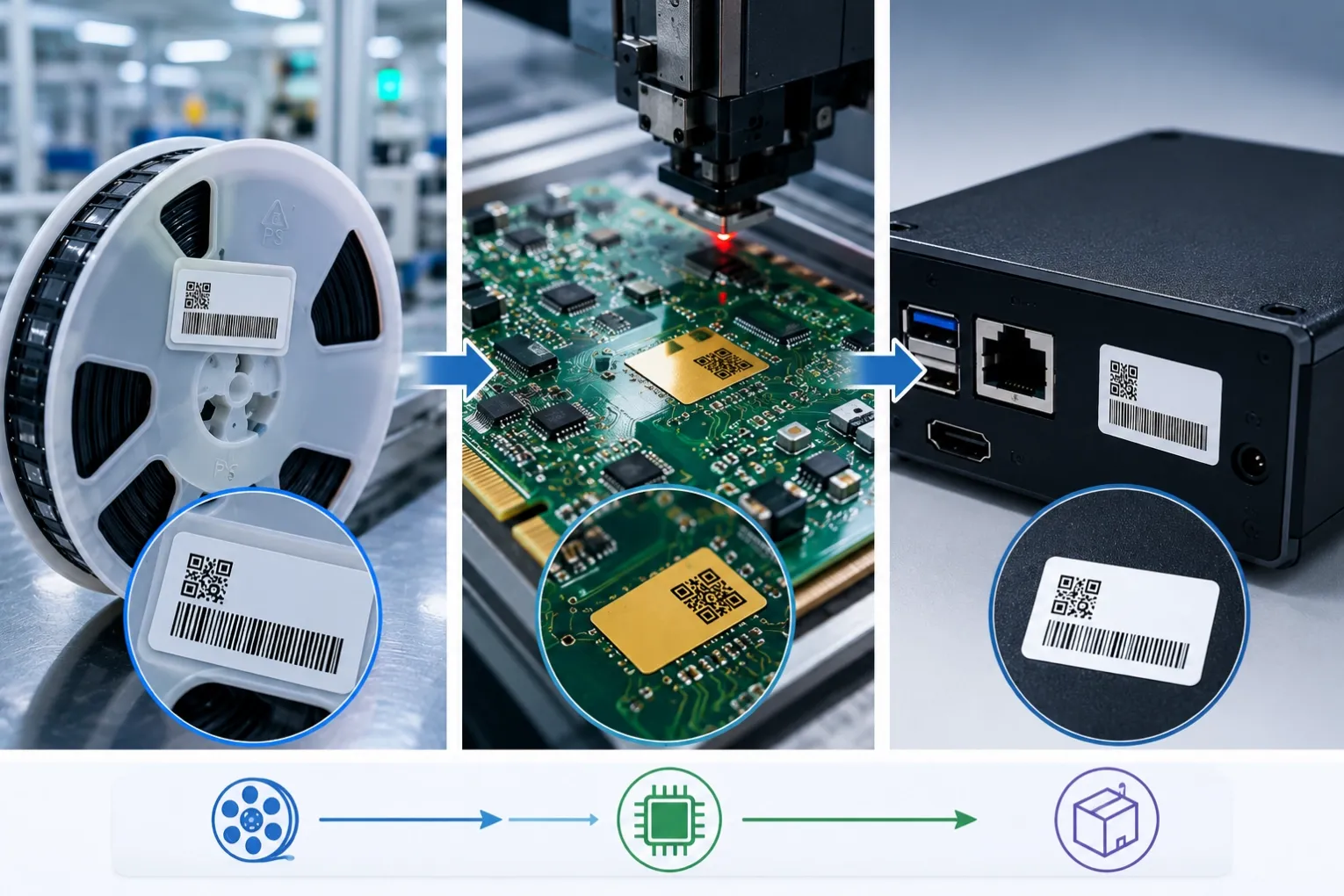
From passive components to finished devices, traceability is critical. Learn how to implement a complete labeling solution across the electronics supply chain.
Recommended products
Popular materials selected to support the applications, compatibility tests, and technical insights featured in our journal.
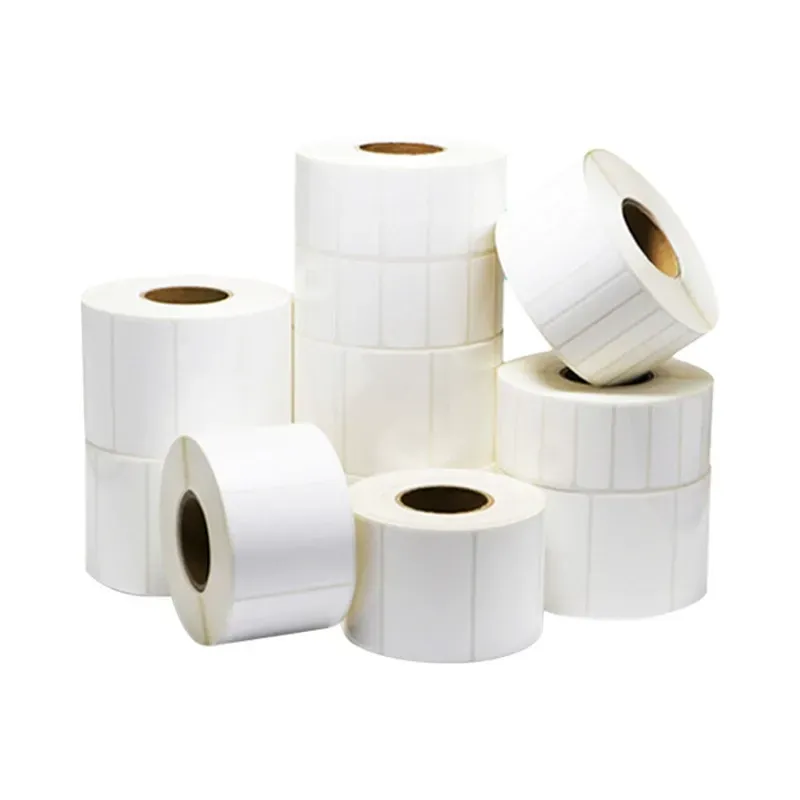
As a trusted supplier of chemical resistant labels and solvent resistant labels, we produce premium labels engineered to withstand aggressive chemicals including acetone, toluene, MEK, xylene, and ethyl acetate. Our chemical resistant labels maintain adhesion and legibility on chemical drums, laboratory bottles, and industrial containers – even after direct solvent exposure and repeated wipe-downs.
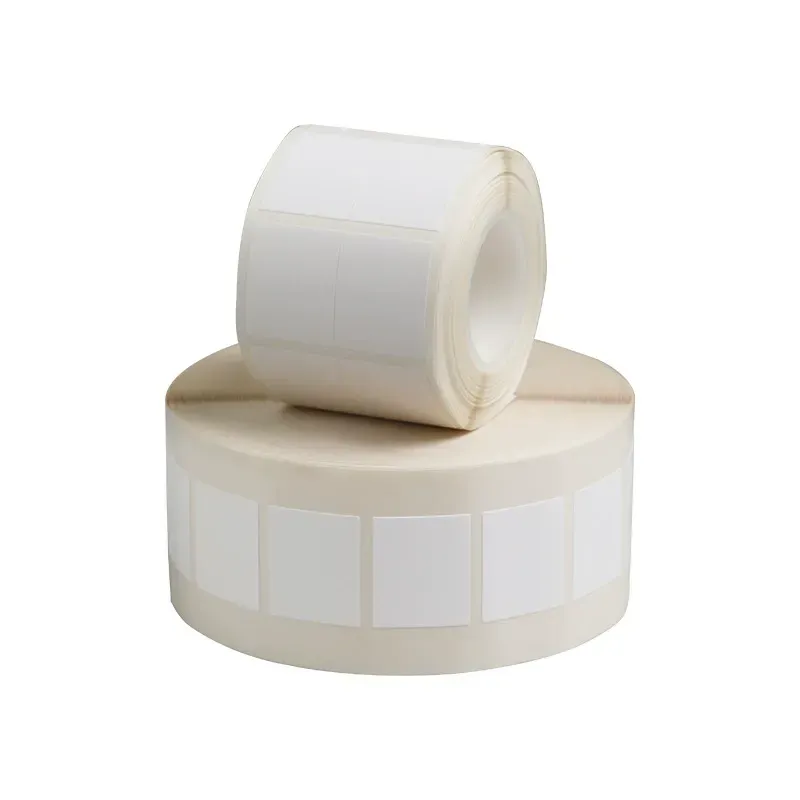
As a trusted supplier of cryogenic labels for liquid nitrogen, we produce premium labels engineered for direct immersion in LN₂ at -196°C. Our cryogenic labels maintain adhesion and legibility on cryo‑vials, frozen storage boxes, and freezer racks without cracking or delaminating – ensuring reliable sample tracking in biobanks and research laboratories.
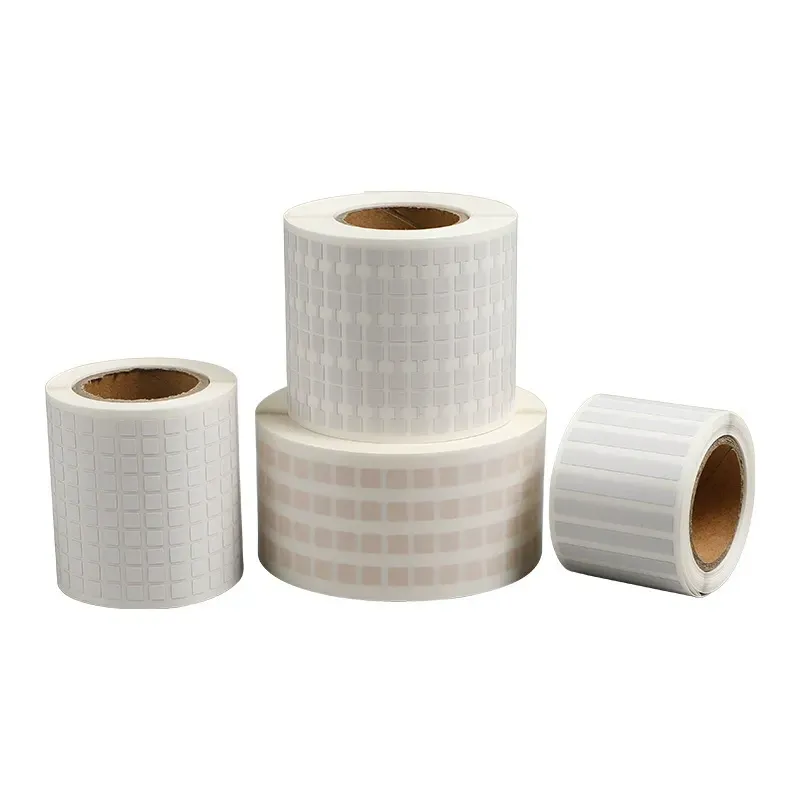
As a professional polyimide label manufacturer, we produce PCB high temperature labels engineered to survive lead‑free reflow soldering at 260°C+. Our polyimide (PI) labels deliver reliable barcode readability and adhesion through multiple thermal cycles, ensuring traceability in PCB assembly and SMT production lines.
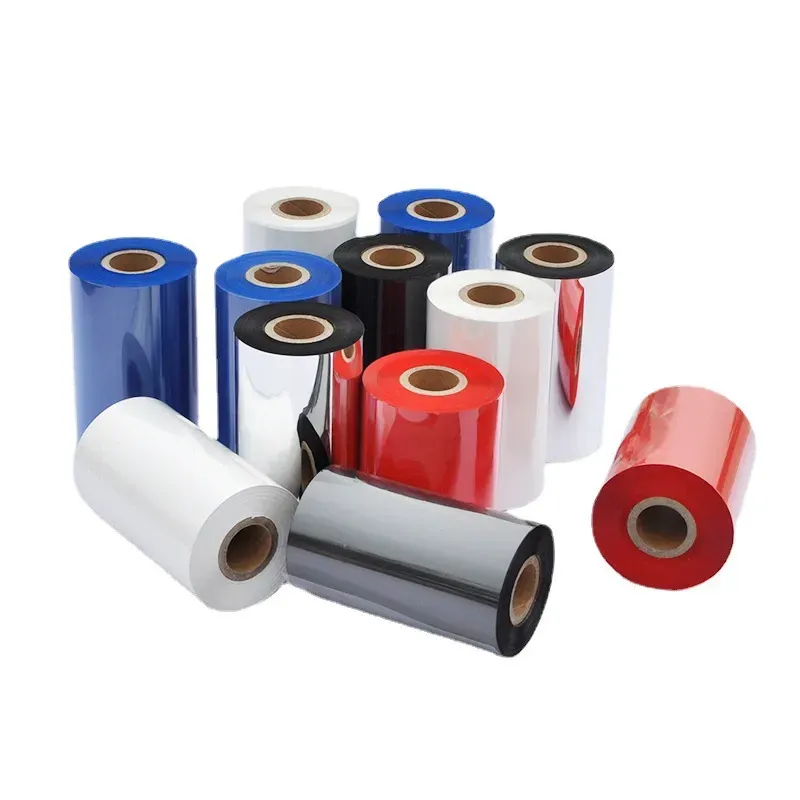
As a professional thermal transfer ribbon manufacturer, we produce premium resin thermal transfer ribbons for synthetic labels (PET, PI, PP, PE) requiring superior resistance to heat, chemicals, and abrasion. Engineered for barcode readability in outdoor, industrial, and cryogenic conditions.