Cryogenic Label Selection Guide – From -80°C Freezers to Liquid Nitrogen (-196°C)
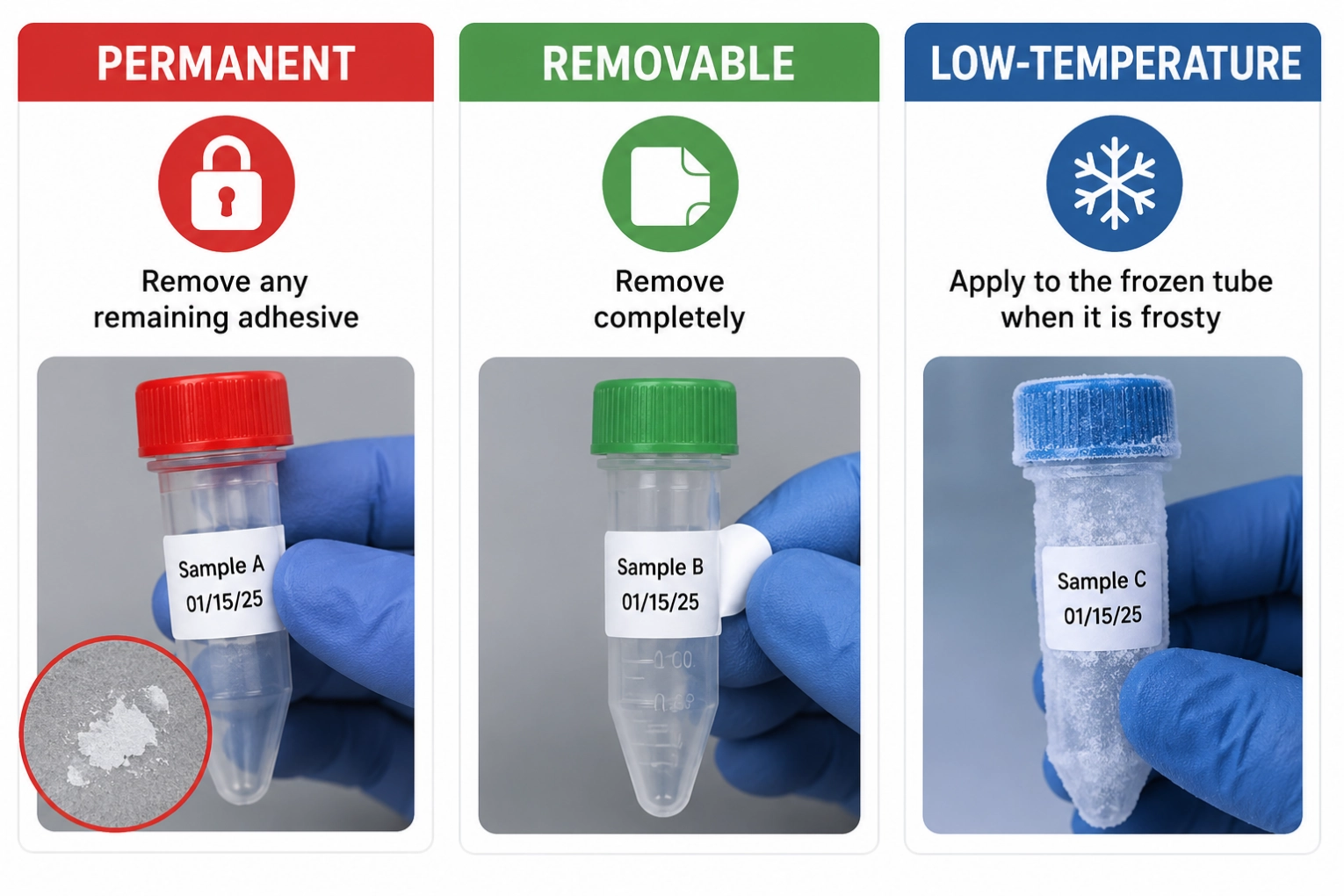
Labels that crack at -80°C or fall off in liquid nitrogen? Learn which materials and adhesives work for ultra-low temperatures and how to test them.
Journal
Read buying guides, material comparisons, application stories, and lab updates from our engineering team.

Labels that crack at -80°C or fall off in liquid nitrogen? Learn which materials and adhesives work for ultra-low temperatures and how to test them.

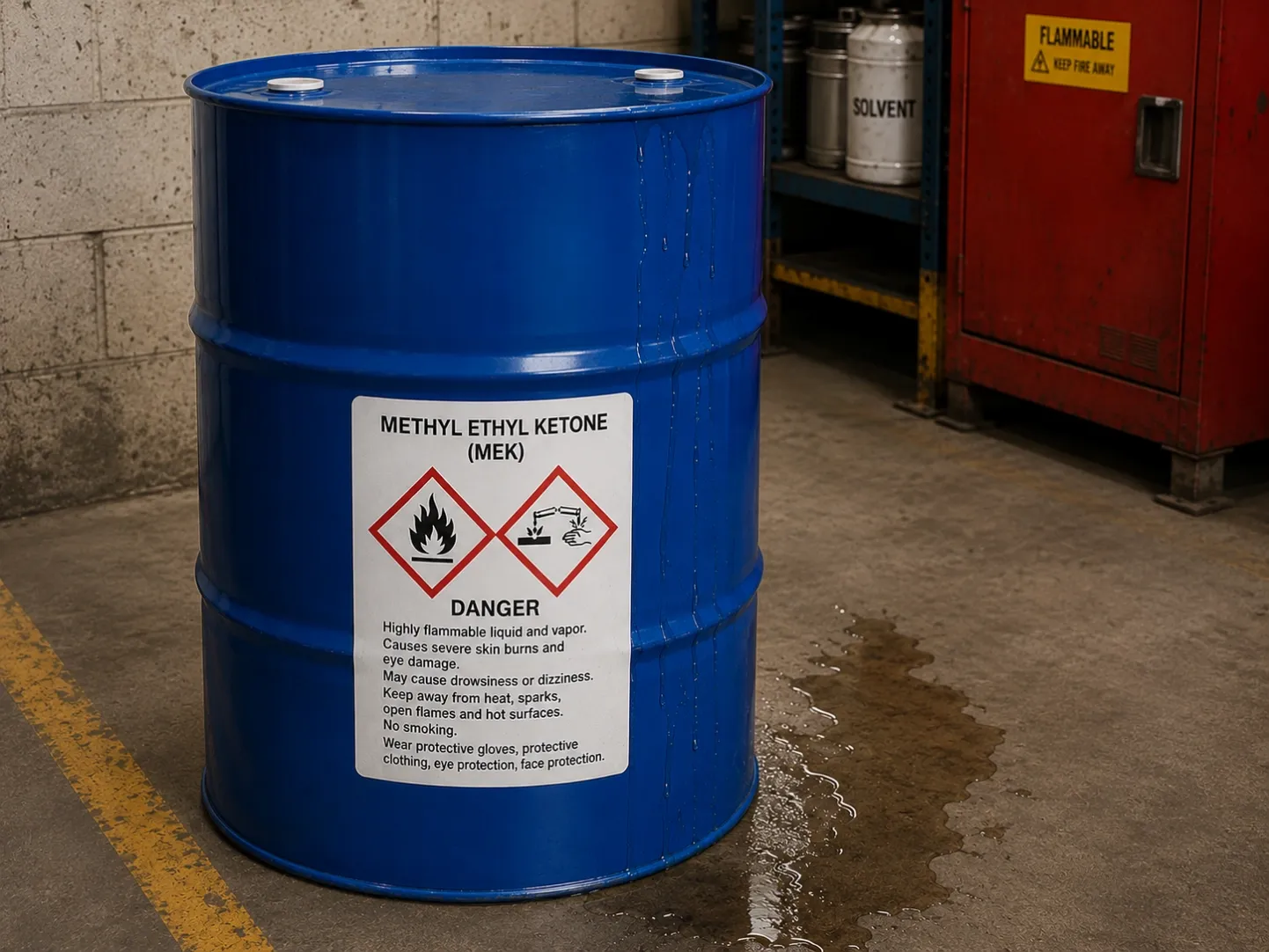
Labels that resist acetone, MEK, toluene, and acids. Learn what makes them different, when standard labels fail, and how to choose the right one.
Recommended products
Popular materials selected to support the applications, compatibility tests, and technical insights featured in our journal.

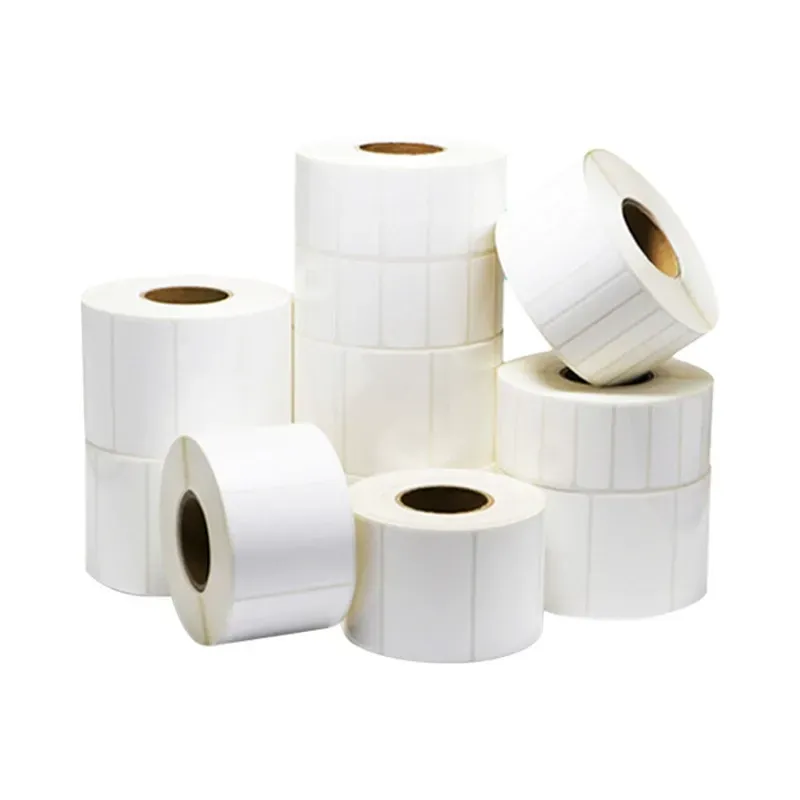
Premium cryogenic label engineered for long‑term storage in liquid nitrogen (-196°C) and ultra‑low freezers (-80°C to -150°C). Maintains adhesion and legibility on cryo‑vials, Cryotube, and freezer racks without cracking or delaminating.

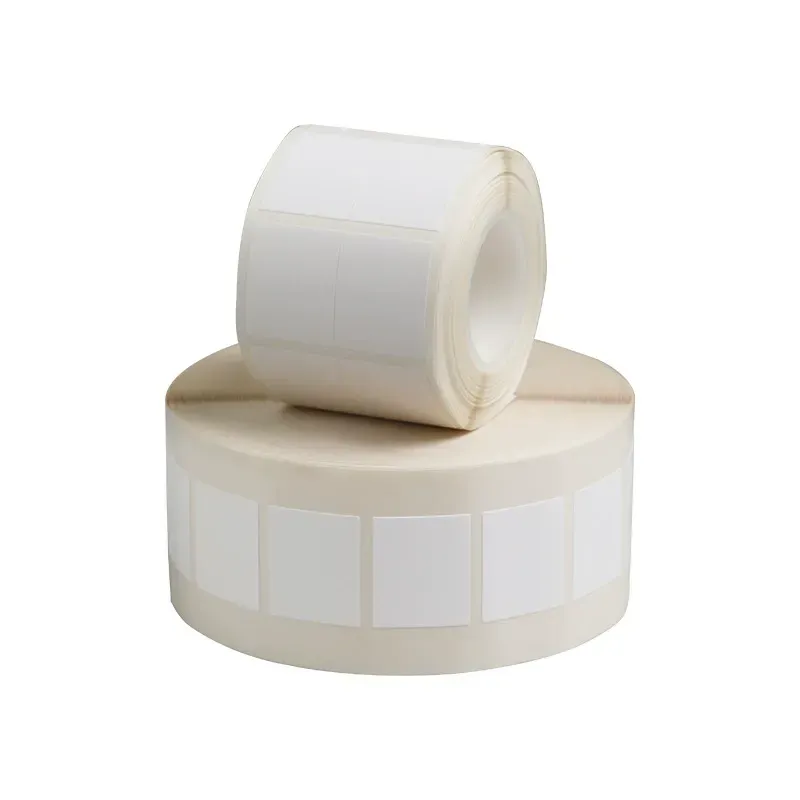
Premium solvent‑proof label engineered to resist aggressive chemicals including acetone, toluene, methyl ethyl ketone (MEK), xylene, and ethyl acetate. Ideal for chemical drums, laboratory bottles, and industrial containers that require permanent, legible identification even after direct solvent exposure.

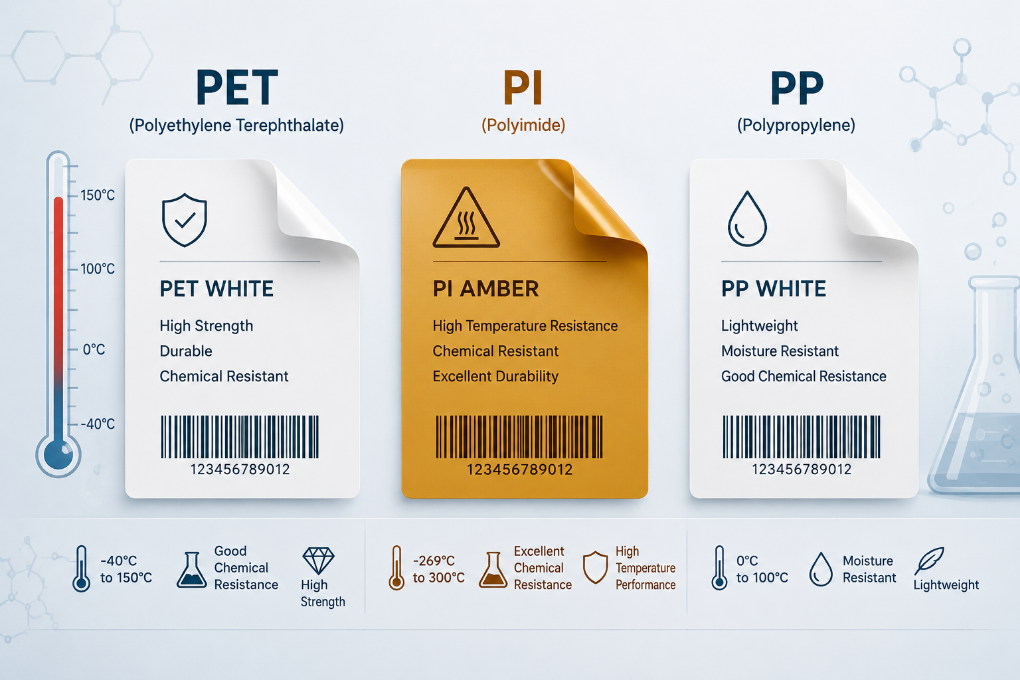
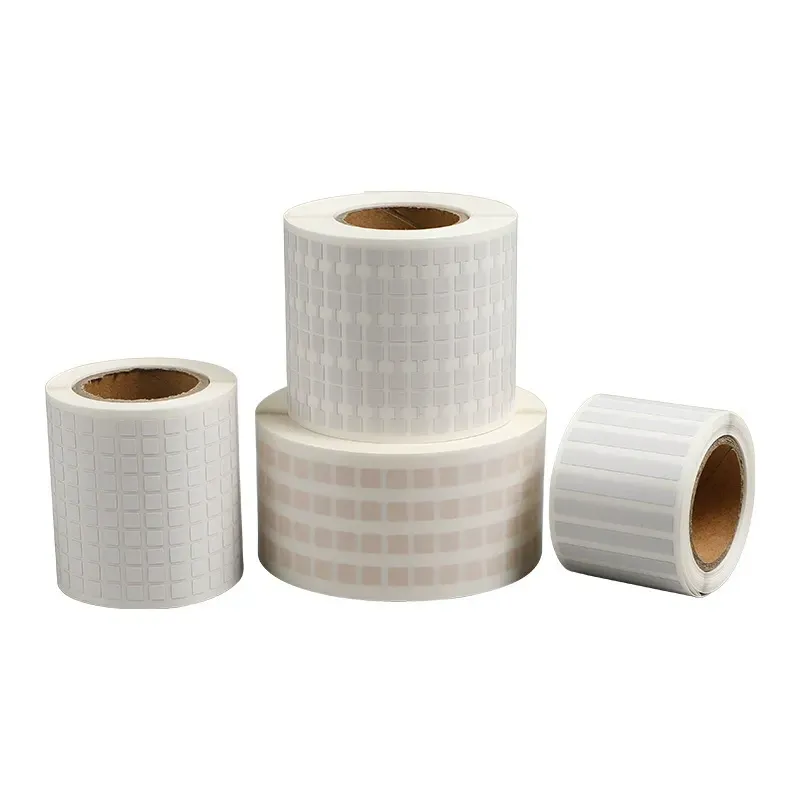
Premium polyimide (PI) label designed to withstand lead‑free reflow soldering temperatures up to 260°C (500°F). Amber colored, ultra‑thin, and highly adhesive – ensures traceable barcodes on PCBs through multiple thermal cycles.

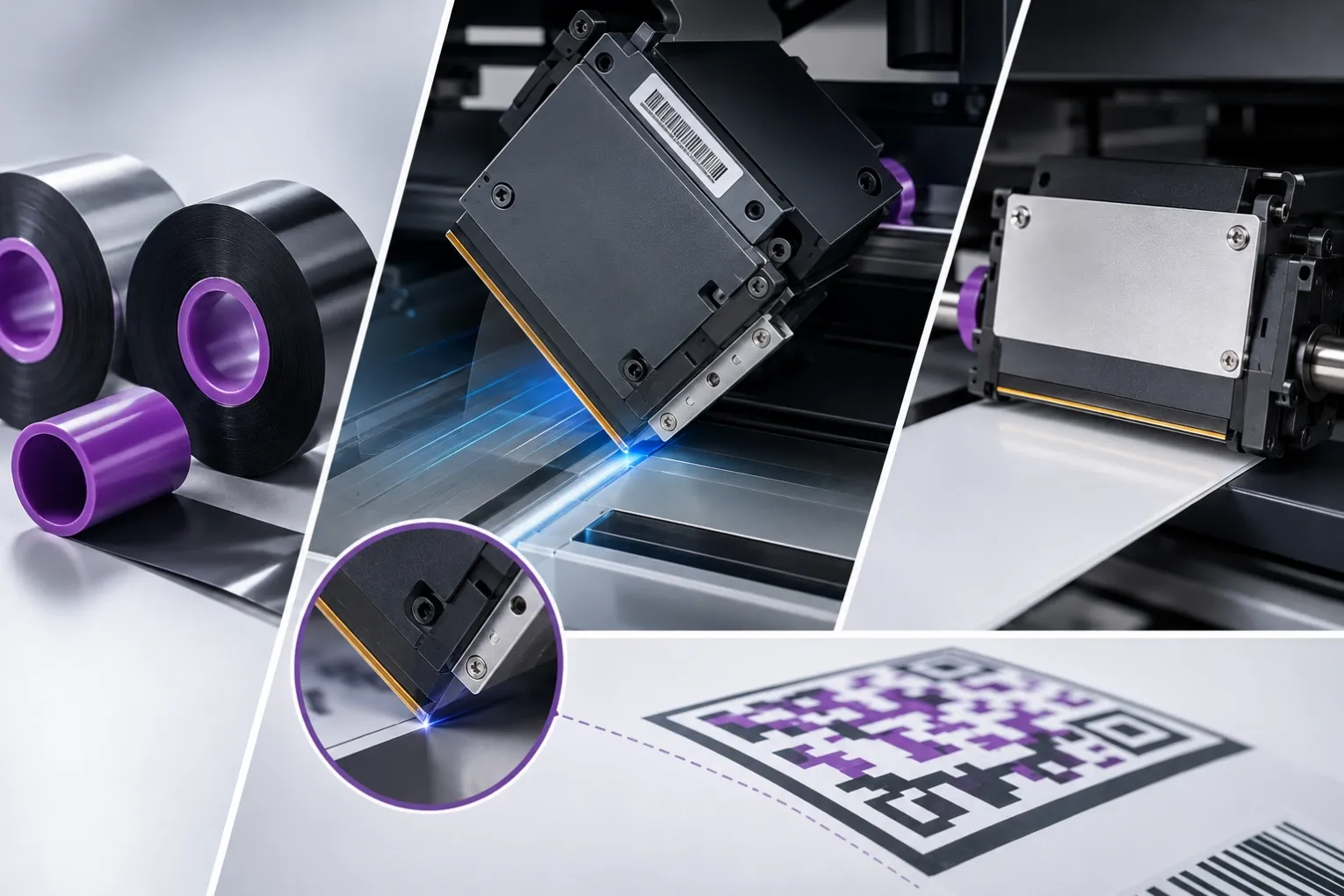
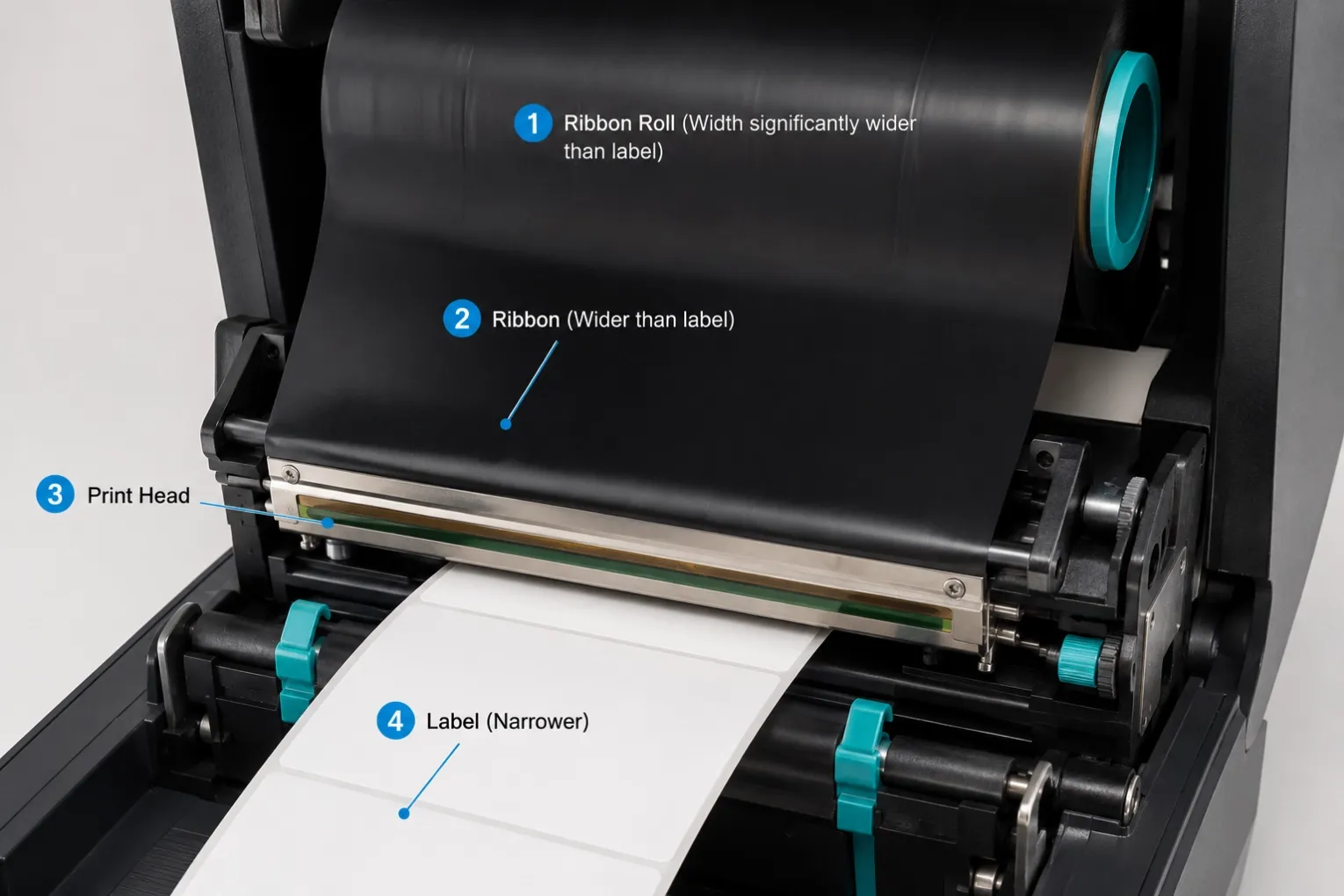
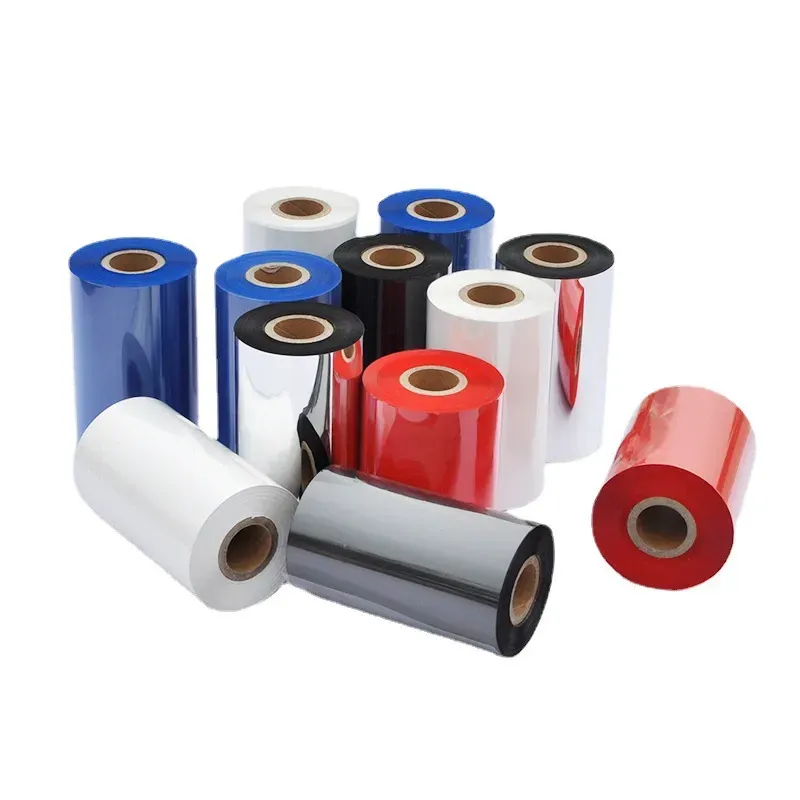
Premium resin thermal transfer ribbon designed for printing on synthetic labels (PET, PI, PP, PE) that require superior resistance to heat, chemicals, and abrasion. Ensures barcode readability in outdoor, industrial, and cryogenic conditions.