
011
260 C lead-free reflow
Paper and standard PET blister, curl or delaminate. Polyimide (PI) film with silicone adhesive stays flat through multiple reflow cycles with the barcode still readable.
PI film - resin ribbon
APPLICATIONS
A 260 °C reflow line, a drum of acetone and a liquid nitrogen tank destroy labels in different ways. Start from the condition the label has to live in, not from the product name.
START WITH THE CONDITION
Each environment fails a label in a specific way. Match the failure mode first, then choose the product.
Paper and standard PET blister, curl or delaminate. Polyimide (PI) film with silicone adhesive stays flat through multiple reflow cycles with the barcode still readable.
Solvent creeps under the adhesive edge and lifts the label; wax-based print smears. Solvent-resistant facestock plus resin ribbon holds through wipe-downs.
Below the glass transition point the film turns brittle and cracks along the vial curve. Cryo-grade adhesive stays flexible after direct immersion.
Ordinary film generates and traps charge next to sensitive boards. Dissipative facestock drains it instead of discharging into the components.
APPLICATIONS
Start with the industry that matches your environment, then narrow down by material or performance requirement.

PI labels for 260 C reflow, dissipative ESD labels for clean rooms, and resin ribbons that keep 2D codes readable after soldering.

Solvent-resistant labels for drums, reagent bottles and GHS hazard labels - tested against acetone, toluene, MEK and acids.

Cryogenic labels rated for -196 C direct immersion, plus -80 C freezer adhesives for cryo-vials, racks and long-term storage.

RFID inlays, waterproof PP and scratch-resistant PET for cartons, totes and pallets - built to stay scannable after handling.
SIGNATURE PRODUCTS
Each one exists because the standard material failed in that environment. Open a product page for the full specification and test data.
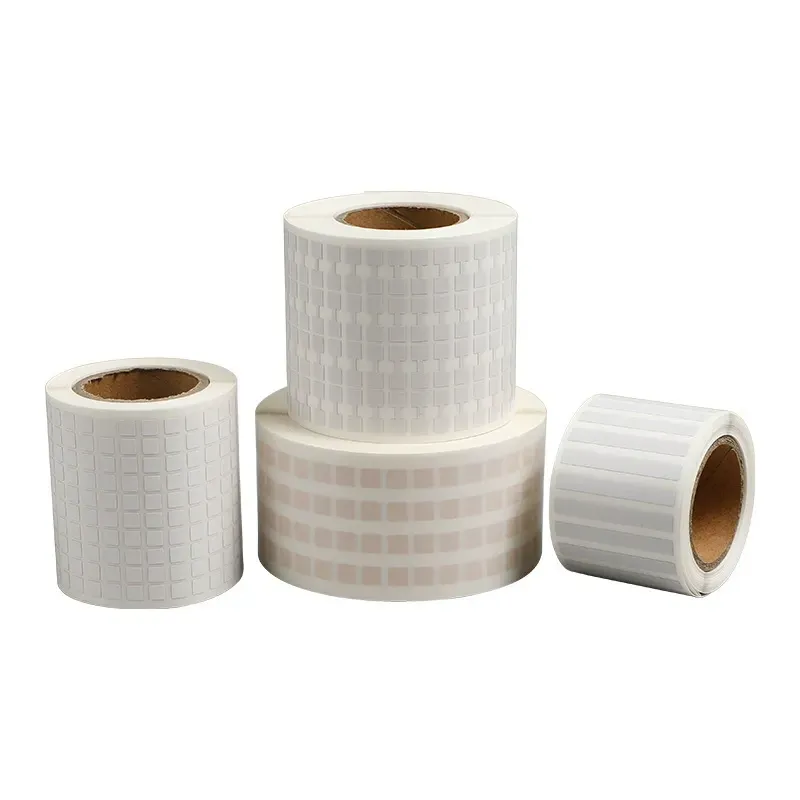
Survive 260 C lead-free reflow with readable 2D codes after multiple cycles.
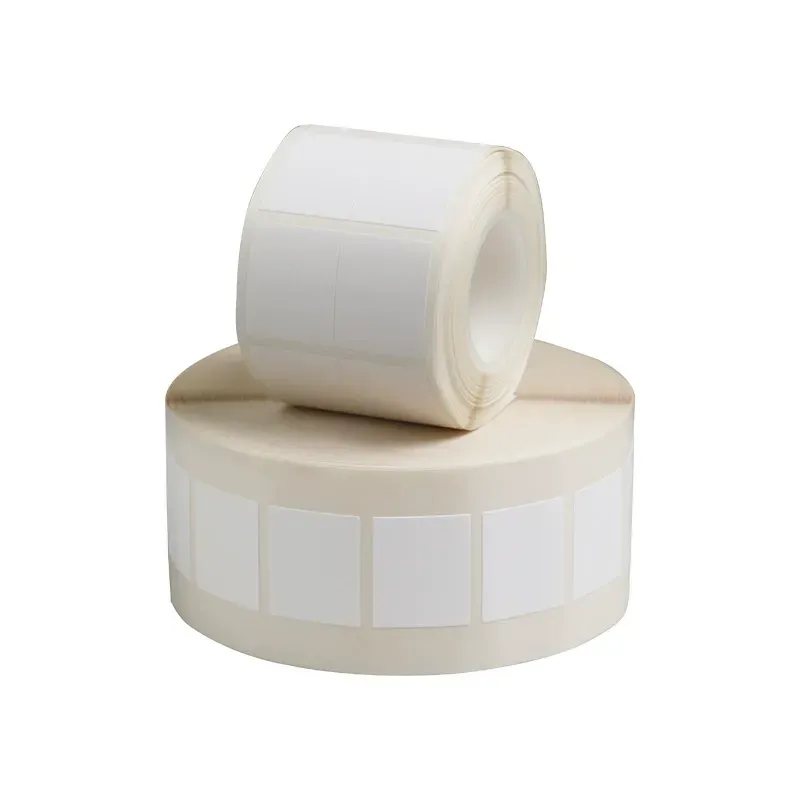
Rated for -196 C direct immersion on cryo-vials and storage racks.
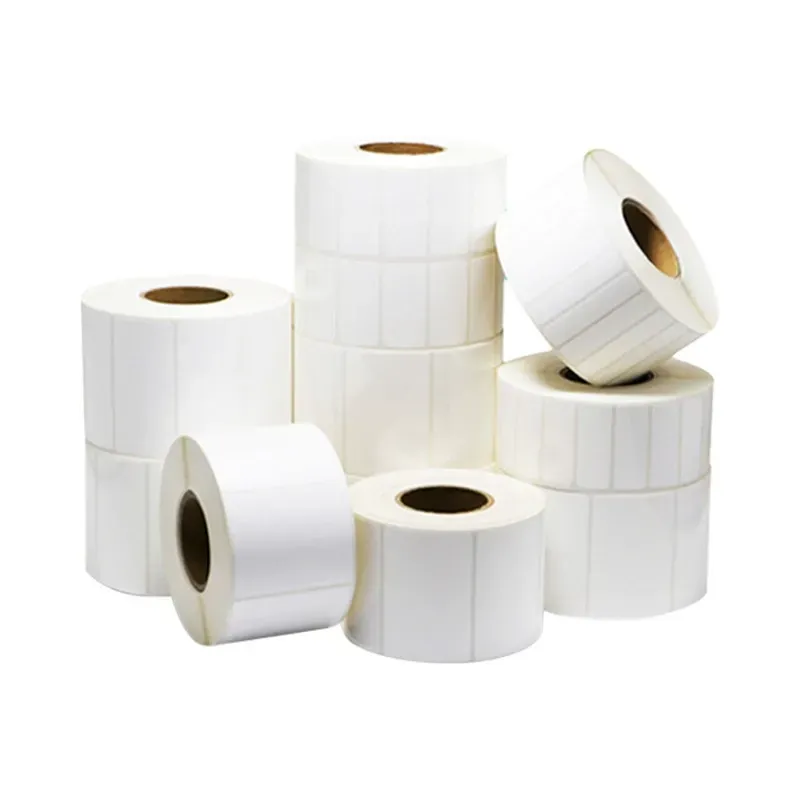
Resist acetone, toluene, MEK and acids through repeated wipe-downs.
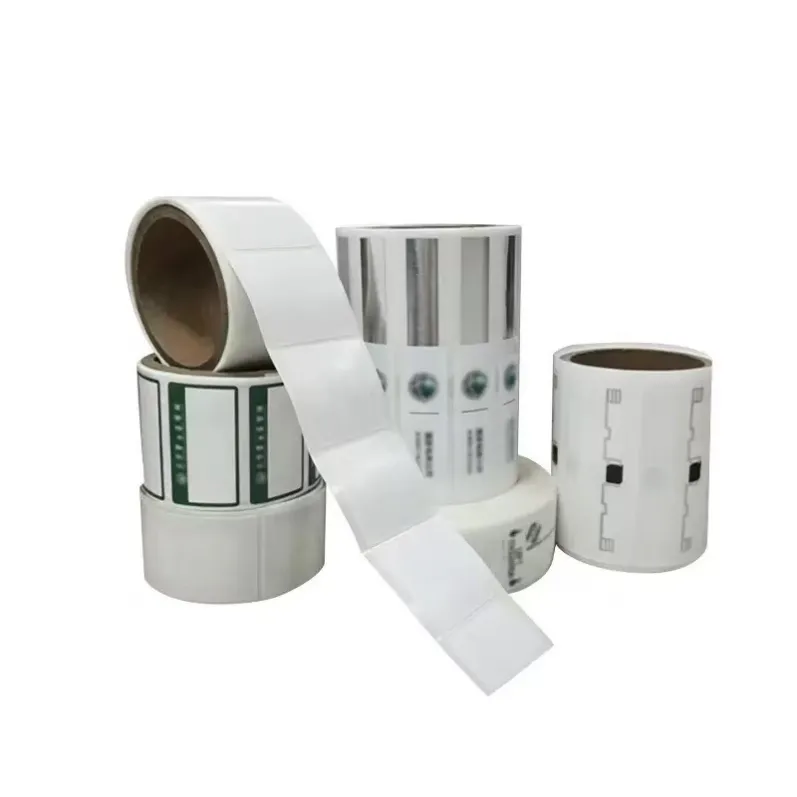
UHF smart labels for inventory and cycle counting without line-of-sight.
TECHNICAL GUIDES
These guides cover how each material is tested, what the numbers mean, and where the material stops working.
What a lead-free profile does to a label, and how to check barcode readability after the oven.
Hazard labels must outlast the container, not the shipment. Solvent exposure, size and durability.
When a freezer label is enough and when you need direct liquid nitrogen immersion construction.
Read range, volume and labour cost decide this - not the technology itself.
BEFORE YOU SPECIFY
Material choice, test evidence and order quantities - the three things that decide whether a label survives its first month.
Send the service condition and we will answer with the material and the test data, not a catalogue page.