Specialty Labels
RFID Asset Tracking Labels – UHF Smart Labels for Inventory & Supply Chain Visibility
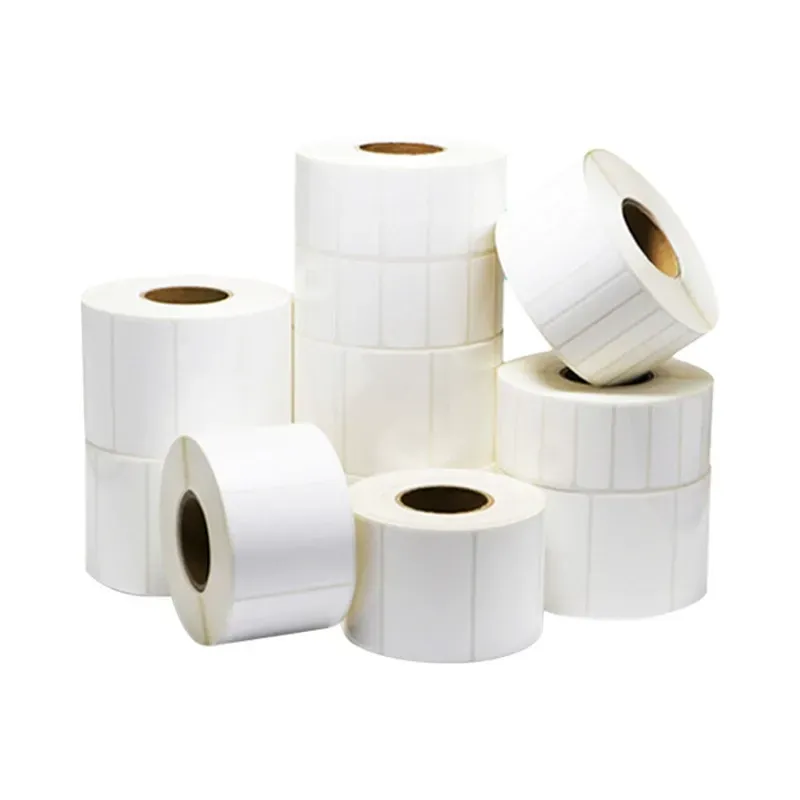
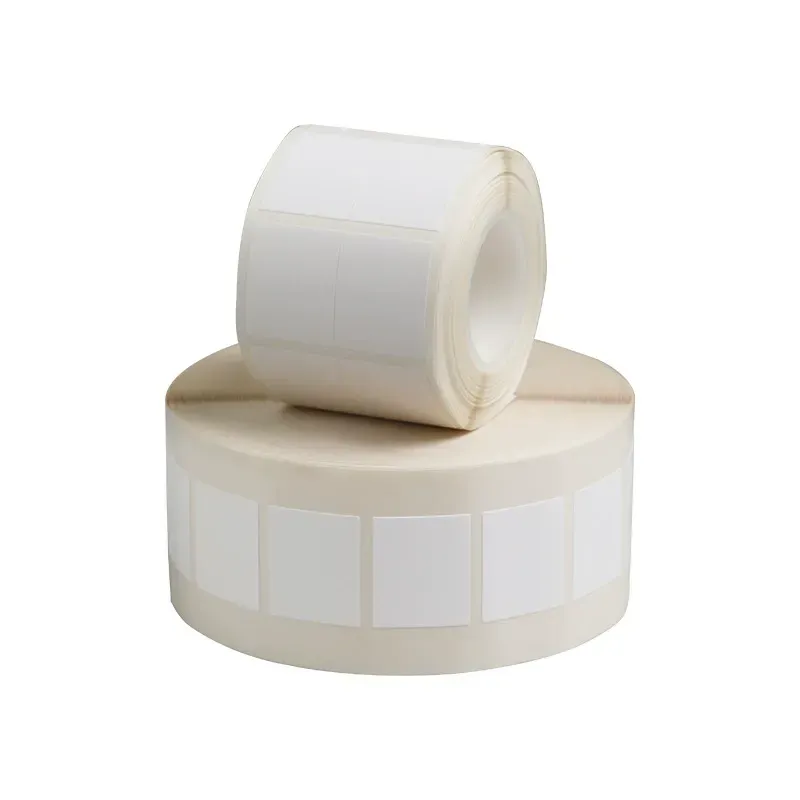
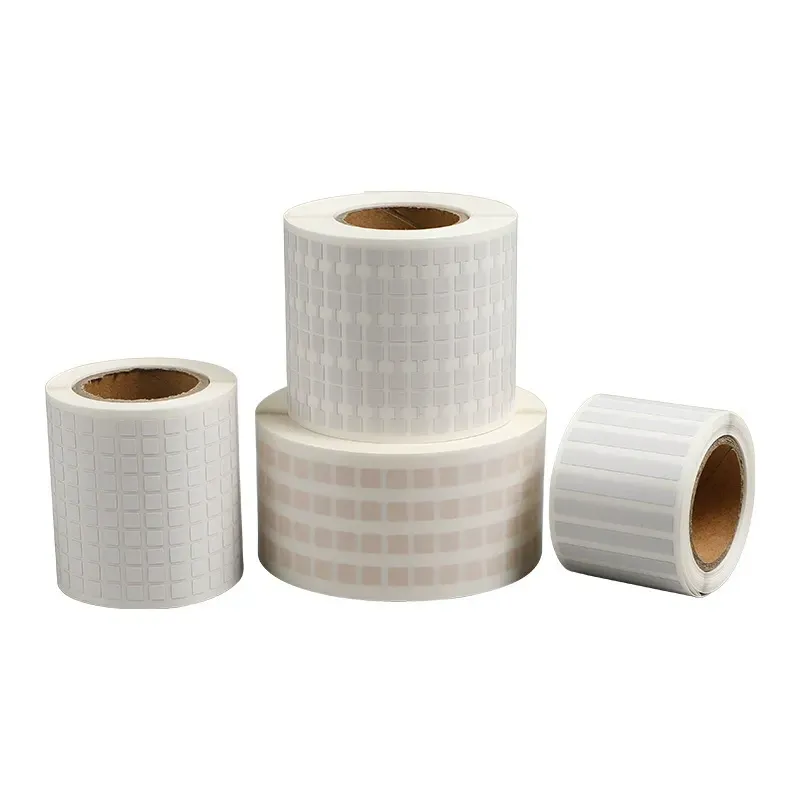
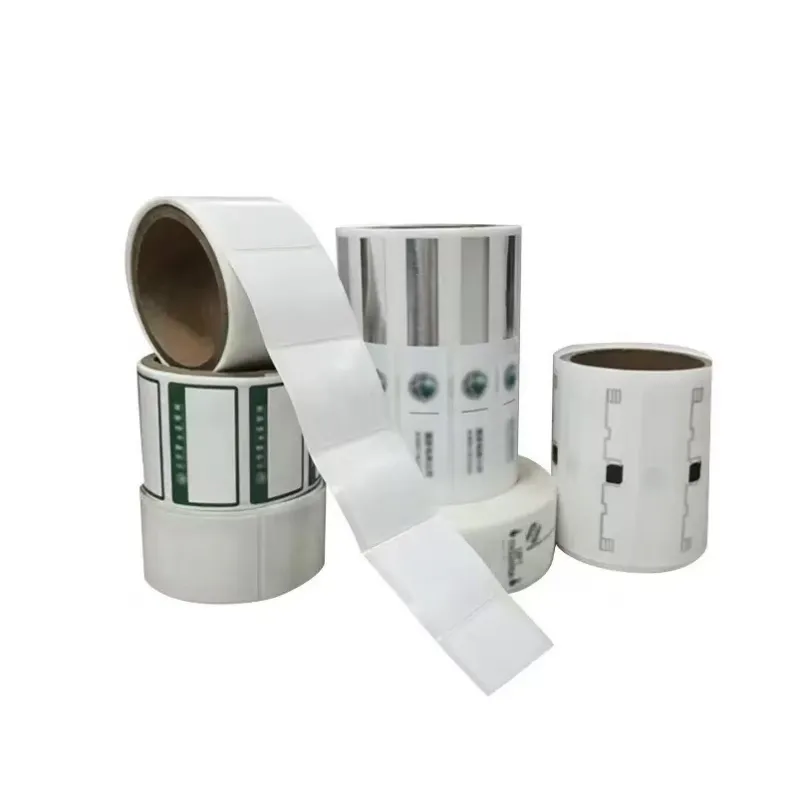
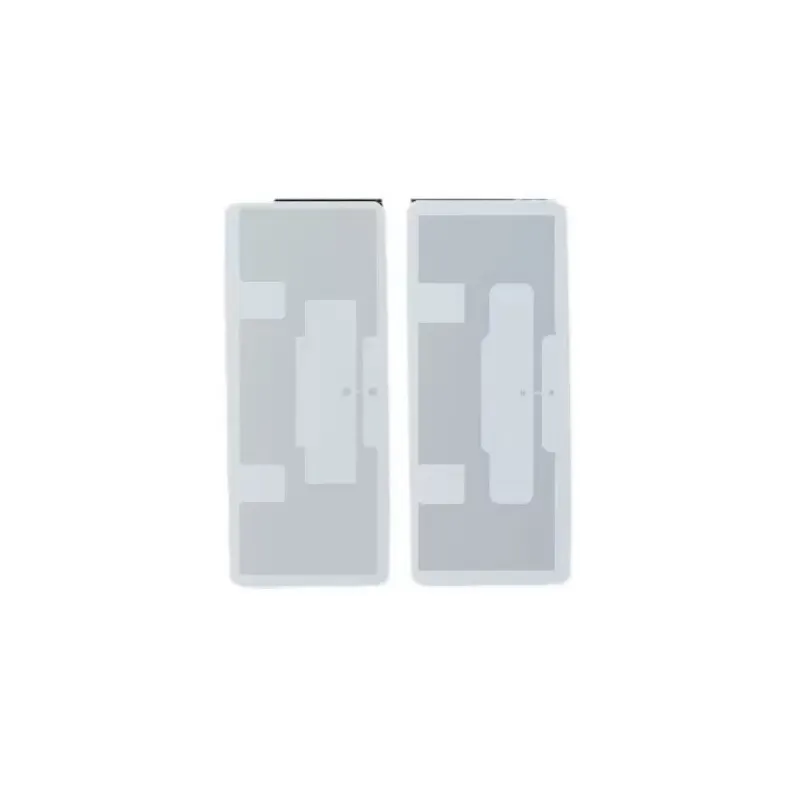
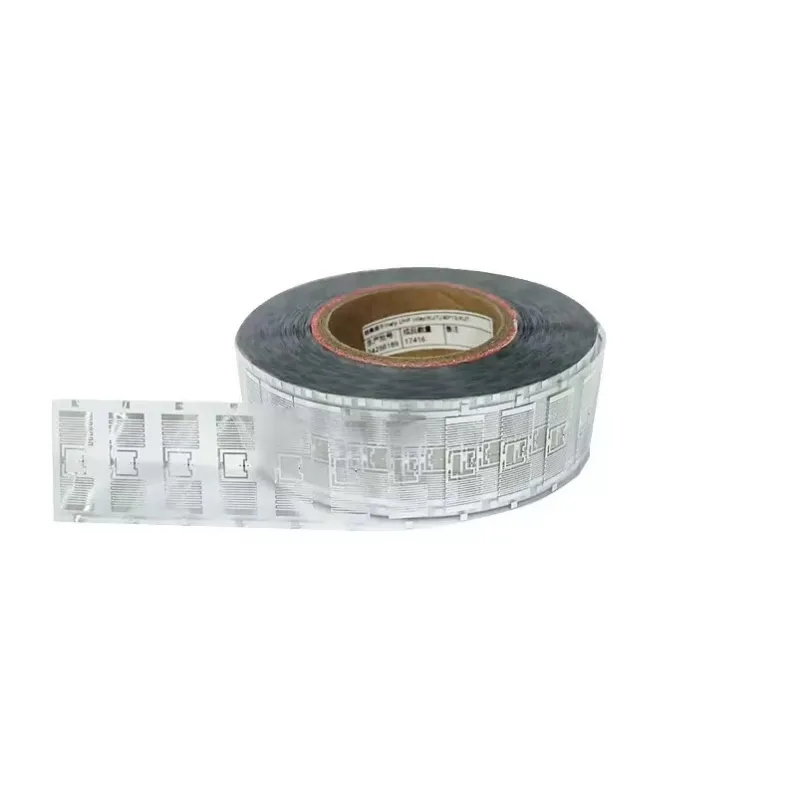
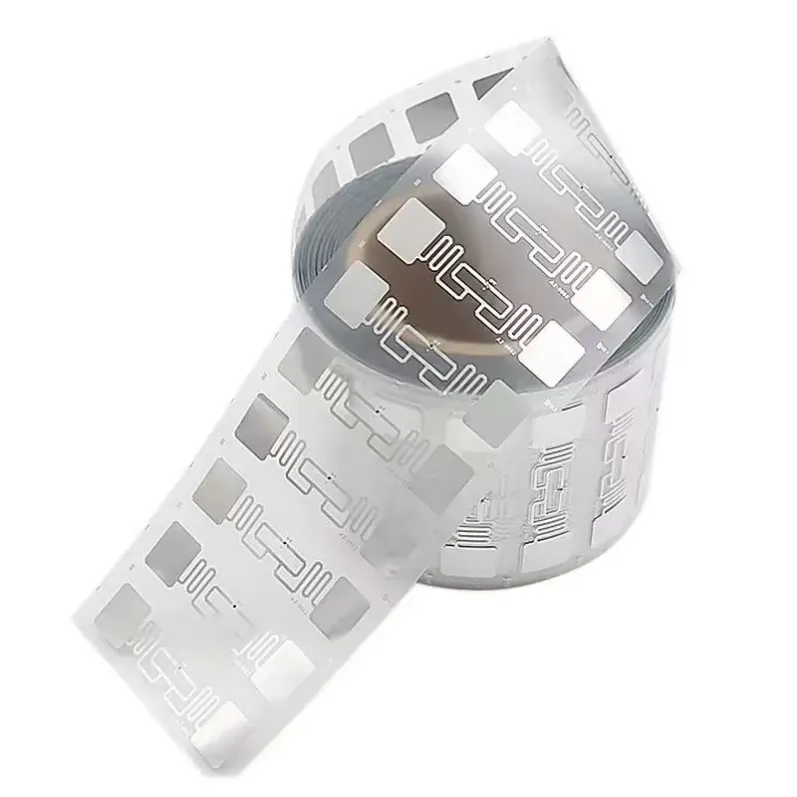
As a trusted supplier of RFID asset tracking labels, we produce premium UHF RFID smart labels combining printable thermal transfer facestock with embedded RAIN RFID inlays. Our RFID asset tracking labels enable automated inventory counting, real‑time asset visibility, and supply chain automation – with printed barcode plus RFID encoding in a single label.
Specifications
- Frequency
- UHF 860–960 MHz (Global), 902–928 MHz (US), 865–868 MHz (EU)
- Label size
- Custom – from 25mm x 25mm to 100mm x 50mm
- Facestock
- White PET, PP synthetic paper, thermal paper (custom)
Specifications
Items | Details |
|---|---|
Frequency | UHF 860–960 MHz (Global), 902–928 MHz (US), 865–868 MHz (EU) |
Chip type | Impinj Monza R6‑P, NXP UCODE 9, or equivalent |
Protocol | EPC Gen2v2 / ISO 18000‑6C |
Read range | Up to 8–12 meters (depending on reader and environment) |
EPC memory | 128–496 bits (chip dependent) |
User memory | 0–128 bits (chip dependent) |
Label size | Custom – from 25mm x 25mm to 100mm x 50mm |
Facestock | White PET, PP synthetic paper, thermal paper (custom) |
Adhesive | Permanent acrylic (high‑tack, removable options available) |
Temperature range | -20°C to +85°C (-4°F to +185°F) |
Core diameter | 1 inch (25.4mm) – label roll format |
Print compatibility | Thermal transfer (resin or wax/resin ribbon) + RFID encoder |
Certifications | RoHS, REACH, EPC Global compliant |
Custom chip, antenna design, and inlay options available for specific applications.
Key Features
- ✅ Dual‑function labeling – Printable surface for human‑readable text/barcodes + embedded UHF RFID inlay.
- ✅ Long read range – Up to 8–12 metres with fixed readers; 2–5 metres with handheld readers.
- ✅ Global frequency support – Available in US (902–928 MHz) and EU (865–868 MHz) bands.
- ✅ High‑speed encoding – Compatible with RFID printers/encoders for inline coding.
- ✅ Wide temperature range – Operates from -20°C to +85°C – suitable for warehousing and logistics.
- ✅ Customisable size – Available in various label sizes to fit different applications.
- ✅ Durable facestock – PET or PP synthetic options for moisture and scratch resistance.
- ✅ EPC Global compliant – Meets international RFID standards for supply chain interoperability.
- ✅ Specialist manufacturer – Our RFID asset tracking labels are engineered with premium inlays and adhesives, ensuring consistent read performance across diverse environments.
For high‑temperature applications (reflow soldering), pair with our high‑temperature PI label – note that RFID functionality may be affected by metal/heat.
Applications
Use RFID Labels for:
- Inventory management – Automated stock counting in warehouses and retail stores.
- Asset tracking – Track IT equipment, tools, vehicles, and reusable containers.
- Supply chain visibility – Real‑time tracking of goods from manufacturing to distribution.
- Retail loss prevention – Electronic Article Surveillance (EAS) combined with item‑level tracking.
- Library & document management – Track books, files, and archival materials.
- Healthcare & laboratory – Track samples, specimens, and medical equipment.
- Baggage handling – Airport baggage tracking and sorting.
Printer & Ribbon Compatibility
Recommended RFID printers (print + encode):
- Zebra – ZD500R, ZT411R, ZT620R, ZQ630
- Honeywell – PX940, PX45, PX6
- SATO – CT4‑LX RFID, CL4‑NX RFID, GL4‑E RFID
- TSC – Alpha‑3R, MH341T, MB240T
Recommended ribbons:
- Resin ribbon – For maximum durability on PET/PP facestock.
- Wax/Resin ribbon – For good print quality and lower cost.
- Wax ribbon – Not recommended – will smear on synthetic surfaces.
Printer settings suggestion:
- Darkness: 20–25% for wax/resin, 25–28% for resin
- Speed: 2–4 inches per second (ips) for reliable encoding
- Encoding: Ensure printer firmware supports your chip type
💡 Tip: Always test encoded labels with your specific RFID reader and software before full deployment.
How to Choose the Right RFID Label
As a specialist in RFID asset tracking labels, we understand that not all RFID labels perform equally across different environments. Our RFID asset tracking labels are engineered with premium inlays and adhesives, ensuring consistent read performance across warehouses, supply chains, and industrial settings.
1. Chip selection
Chip | Memory | Best for |
|---|---|---|
Impinj Monza R6‑P | 128‑bit EPC, 96‑bit User | Retail, inventory |
Impinj Monza R6 | 96‑bit EPC | Cost‑sensitive tracking |
NXP UCODE 9 | 128‑bit EPC | Supply chain, logistics |
NXP UCODE 8 | 128‑bit EPC | General purpose |
Custom | Variable | Specific requirements |
2. Frequency selection
- US market → 902–928 MHz
- EU market → 865–868 MHz
- Global → 860–960 MHz (wide‑band)
3. Label size & material
- Small labels (25–50mm) – For small items, jewellery, pharmaceuticals.
- Medium labels (50–100mm) – For cartons, boxes, and general inventory.
- Large labels (100mm+) – For pallets, large assets, and industrial containers.
- Facestock: PET for durability; PP for flexibility; thermal paper for short‑term use.
4. Environmental considerations
- Metal surfaces – Requires on‑metal RFID labels (special inlay design) – not standard RFID.
- Liquid/water – May affect read range – test before deployment.
- Temperature extremes – Confirm operating range matches your environment.
Ordering & Sample Information
As a direct supplier of RFID asset tracking labels, we offer factory pricing and full batch traceability on every roll.
- MOQ: 500 labels for standard sizes; 1,000 labels for custom sizes.
- Free sample: 5–10 blank labels available for testing. Request with your printer model, reader type, and application environment.
- Custom encoding: Pre‑encoded EPC numbers, serialisation, and user memory available – MOQ 1,000.
- Lead time:
- Blank labels (stock sizes): 5–7 business days
- Custom printed + encoded: 10–15 business days
- Large volume (>10,000 labels): 15–20 days
📡 | RFID Asset Tracking Labels – Tested for warehouse and supply chain automation |
🏭 | Specialist Label Manufacturer – Direct factory pricing and quality control |
📦 | Batch Traceability – Every roll logged from inlay to finished label |
✅ | EPC Global Compliant – Meets international RFID standards |
🔄 | RAIN RFID Certified – Interoperable with all RAIN RFID readers |
Related Products
- White PET Label – Standard barcode label without RFID
- PP Synthetic Paper Label – Eco‑friendly alternative
- Resin Ribbon – For durable printing on RFID facestock
- Chemical Resistant Label – For harsh chemical environments