Jul 23, 2026Applications
Why PP Labels Outperform Paper Labels in Food Packaging
A food manufacturer switched from paper to PP synthetic labels to solve smudging, tearing, and moisture issues. See how they improved packaging quality and sustainability.
Why PP Labels Outperform Paper Labels in Food Packaging
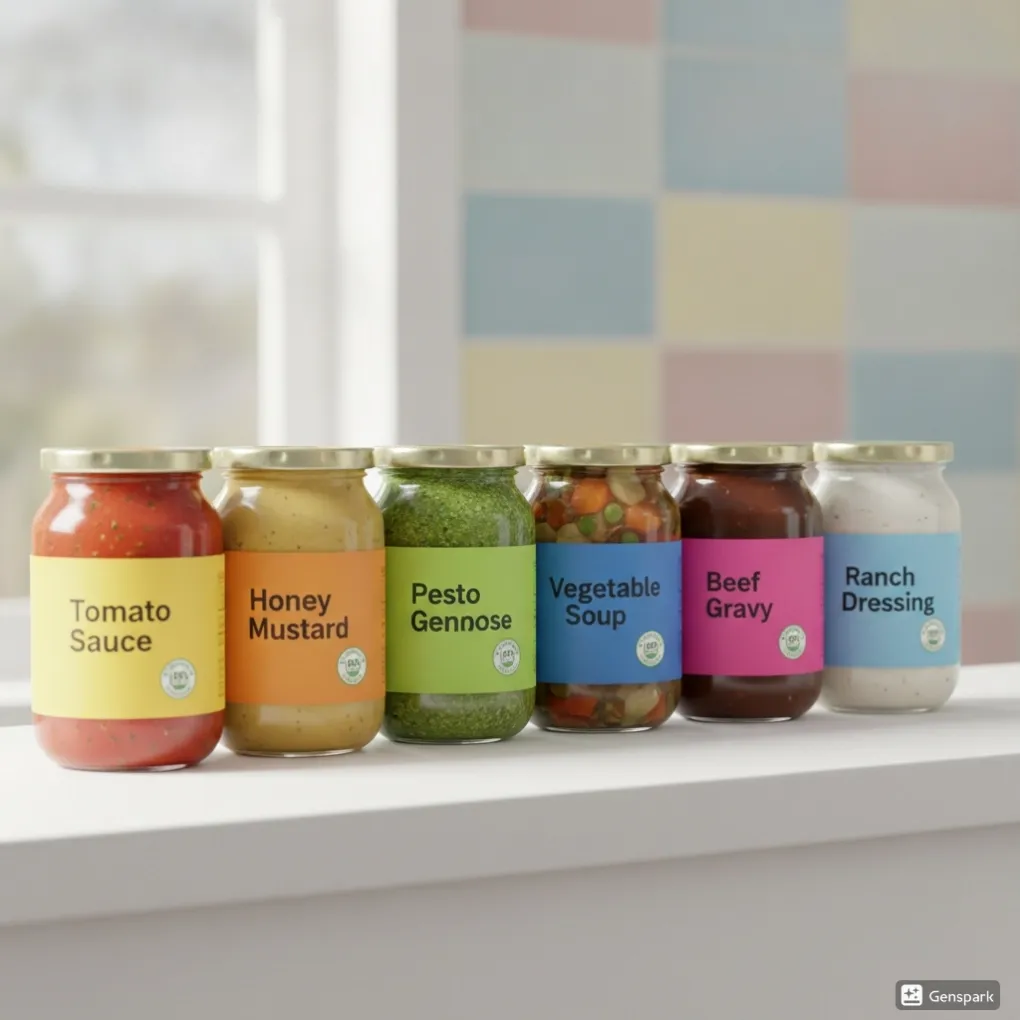
🥫 A mid‑sized organic food manufacturer in California produces premium soups, sauces, and ready‑to‑eat meals. Their products are sold in glass jars and plastic tubs, labelled with vibrant, high‑quality graphics.
For years, they used paper labels with gloss coating. But they had persistent problems:
- ❌ Labels smudged when jars were handled with wet or oily hands.
- ❌ Labels tore during transport and shelving.
- ❌ Condensation from refrigeration caused labels to peel and wrinkle.
- ❌ Paper labels could not be recycled with the packaging – customers complained.
- ❌ Waste from label rejects was over 10% of their label spend.
This case study shows how they solved these problems by switching to polypropylene (PP) synthetic labels – and what they learned along the way.
1. The Food Packaging Challenge – Why Paper Labels Struggle 🥫
Food packaging is one of the most demanding label applications. Labels face:
- ❌ Moisture – condensation from refrigeration or hot‑fill processing.
- ❌ Oils and fats – from soups, sauces, and ready meals.
- ❌ Handling – wet, greasy hands during preparation and eating.
- ❌ Temperature changes – from cold storage to room temperature.
- ❌ Transport – labels rub against other packages.
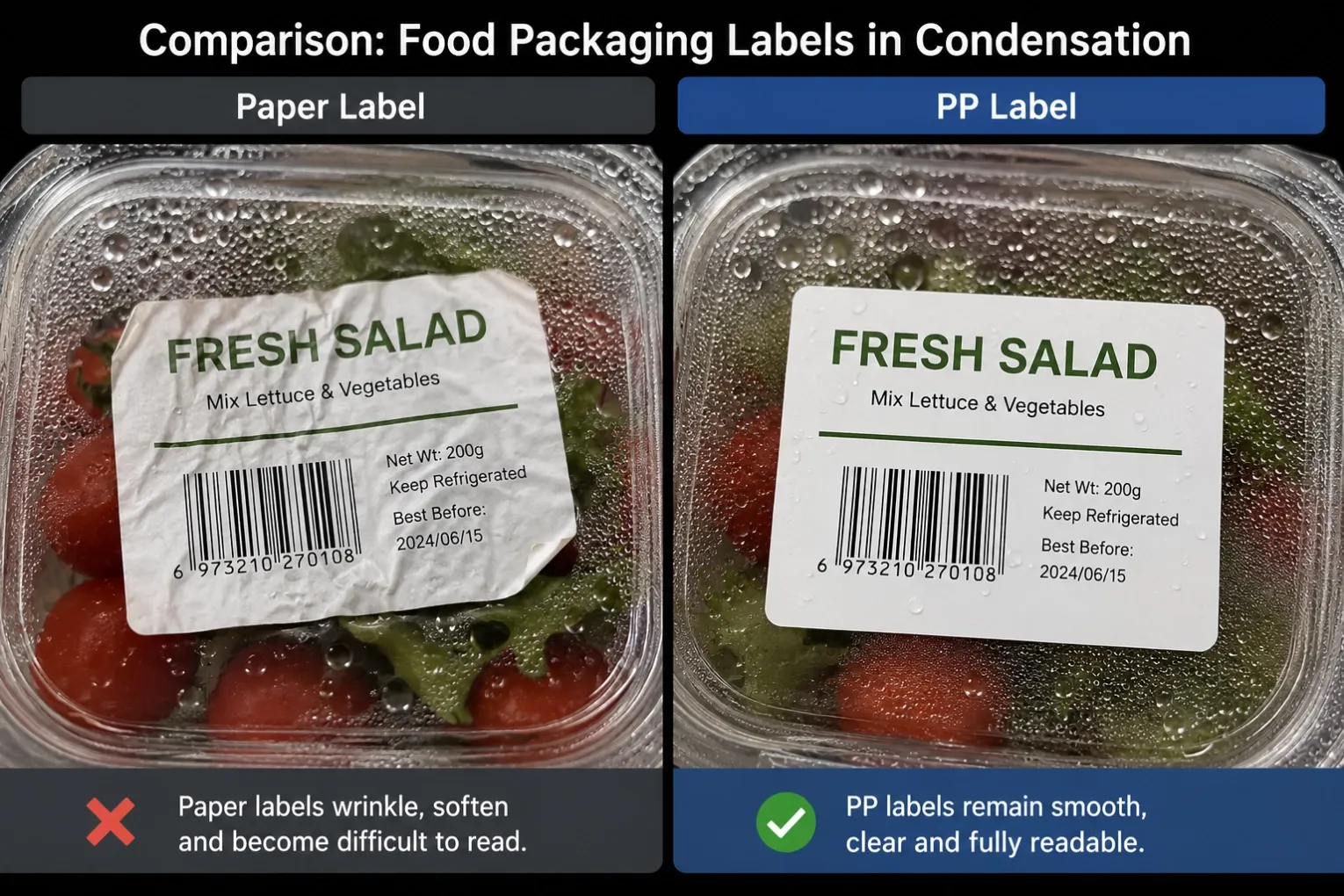
Paper labels, even with gloss or varnish coatings, have inherent weaknesses:
Issue | Paper Label Limitation |
|---|---|
Moisture | Paper absorbs water, wrinkles, and loses strength. |
Oil | Oil penetrates paper, causes staining and delamination. |
Tear strength | Paper tears easily – especially on curved surfaces. |
Recyclability | Paper label + plastic container = cannot recycle together. |
Print durability | Inks sit on the surface – can smudge with handling. |
The manufacturer was spending $4,000 per month on label reprints and waste. They needed a better solution.
2. The Solution – PP (Polypropylene) Synthetic Labels 🧪
PP (polypropylene) synthetic paper is a waterproof, tear‑resistant, and flexible label material. Unlike paper, it is a plastic film that mimics the feel and printability of paper – but with superior durability.
Why PP Won
Property | Paper Label | PP Synthetic Label |
|---|---|---|
Water resistance | Poor – absorbs water | Excellent – 100% waterproof |
Oil resistance | Poor – penetrates | Good – surface repels oil |
Tear resistance | Poor – tears easily | Excellent – cannot be torn by hand |
Flexibility | Rigid | Very flexible – conforms to curves |
Recyclability | Non‑recyclable with plastic packaging | 100% recyclable (mono‑material with PP containers) |
Print quality | Good (coated) | Excellent – sharp, vibrant graphics |
Durability | Short – degrades with moisture | Long – 5+ years stable |
The manufacturer chose our PP synthetic paper label, which is specifically formulated for food packaging applications.
3. The Testing Process – Ensuring Quality 🔬
The manufacturer ran a 6‑week pilot across three product lines:
Test Conditions
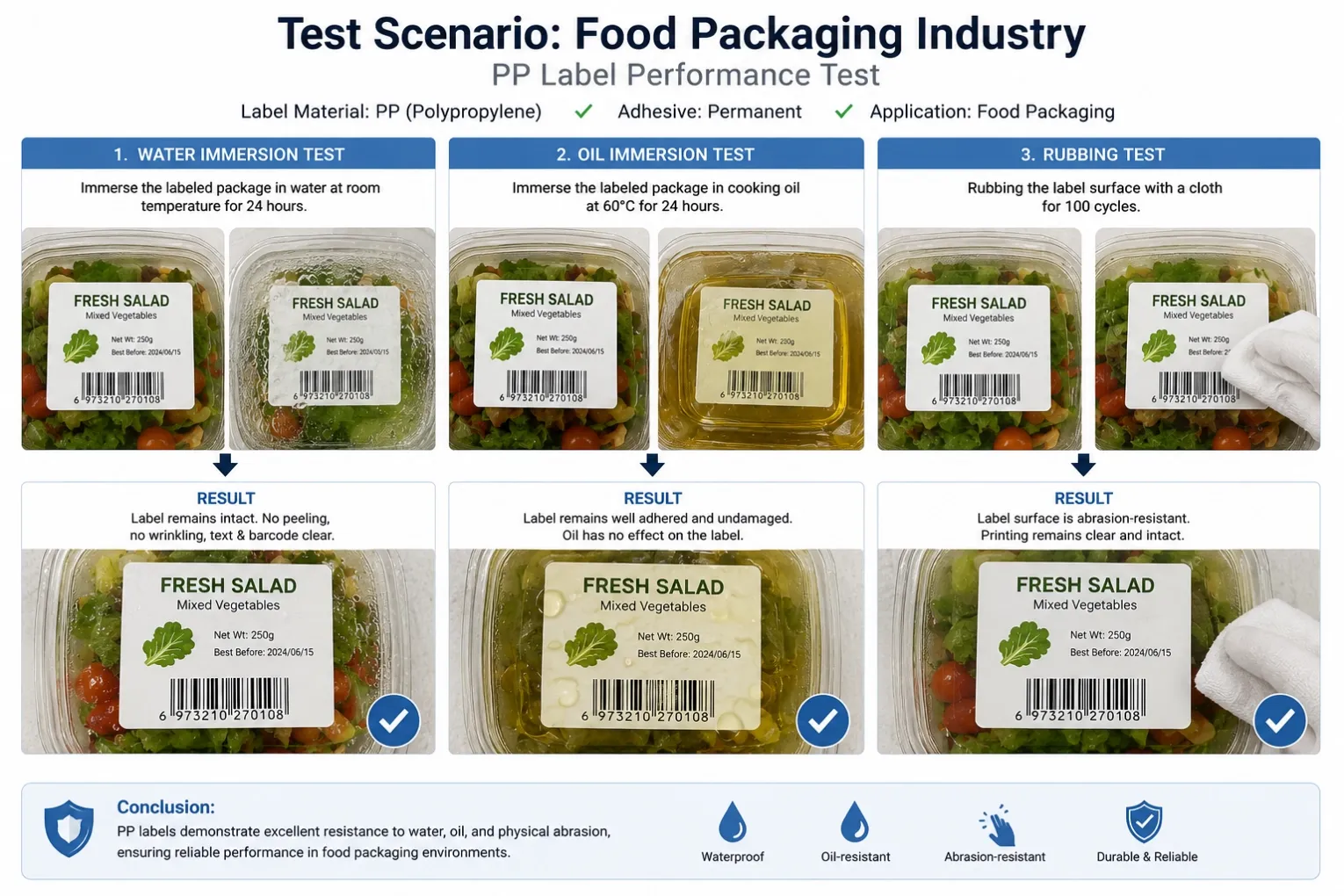
Test | Condition | Duration | Pass/Fail |
|---|---|---|---|
Cold storage | 4°C, 80% humidity | 4 weeks | No peeling, no wrinkling |
Hot‑fill | 85°C fill, cool to room temp | 10 cycles | No delamination |
Oil exposure | Olive oil, 24‑hour contact | 24 hours | No staining, no smudging |
Scratch test | Abrasion with cardboard | 50 rubs | Print remained clear |
Tear test | Manual pull | N/A | Cannot be torn |
Recycling | PP container + PP label | N/A | 100% recyclable (mono‑material) |
Results
- ✅ PP labels passed all tests.
- ✅ Paper labels failed cold storage (wrinkled) and oil exposure (stained).
- ✅ PP labels printed with sharper text and barcodes – scanners read them faster.
4. Implementation – Switching from Paper to PP 🔄
Step 1 – Artwork and Design
- The same artwork was used – PP synthetic paper accepts standard flexographic and digital printing.
- No design changes were needed.
Step 2 – Printer and Ribbon Adjustment
- Printer: Industrial thermal transfer (Zebra ZT410).
- Ribbon: Switched from wax to <u>wax/resin ribbon</u> for better adhesion and scratch resistance.
- Darkness: Increased from 18% to 22% (slight adjustment).
- Speed: 5 ips (same as paper).
Step 3 – Application
- Labels were applied with the same automated applicator.
- PP labels conformed better to curved jar surfaces – fewer wrinkles.
Step 4 – Operator Training
- Operators were trained on the new ribbon and slight printer settings change.
- No major retraining needed – PP labels handled similarly to paper.
5. The Results – Before and After 📊
After 12 months of using PP synthetic labels:
Metric | Before (Paper) | After (PP) | Improvement |
|---|---|---|---|
Label rejection rate | 10% | 0.8% | 92% reduction |
Wrinkled labels in cold storage | 15% of shipments | <0.5% | 97% reduction |
Customer complaints (label issues) | 20/month | 2/month | 90% reduction |
Label waste disposal cost | $800/month | $100/month | 87% reduction |
Annual label spend | $48,000 | $42,000 | 12.5% reduction |
Annual saving: Over $12,000 in reduced waste and labour + improved customer satisfaction.
Quote from the Operations Manager: “Our labels used to arrive at supermarkets wrinkled and peeling. Now they look as good on the shelf as they did the day we printed them. And our sustainability score went up because customers can recycle the whole package.”
6. Beyond Durability – The Sustainability Advantage 🌍
One of the biggest wins for the manufacturer was sustainability.
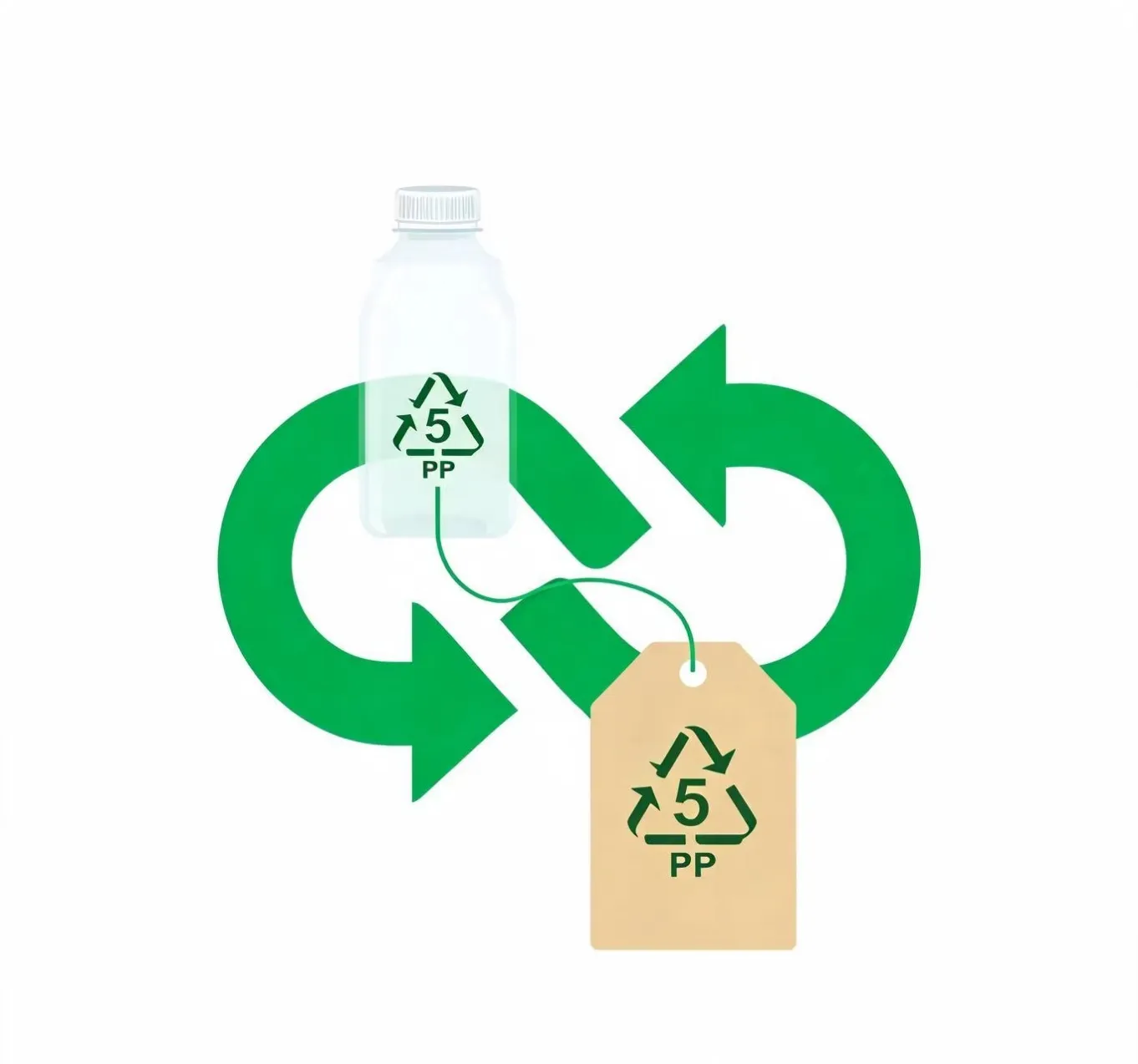
- ✅ Mono‑material packaging: The PP label + PP container can be recycled as a single material.
- ✅ No label removal needed: Consumers do not need to peel off the label for recycling.
- ✅ Reduced waste: 10% rejection rate dropped to 0.8% – less label waste.
- ✅ Customer perception: The brand was viewed as more environmentally responsible.
Impact: The manufacturer added a “100% recyclable packaging” badge to their packaging – and saw a measurable increase in customer loyalty.
7. Key Takeaways – Lessons for Food Manufacturers 🎯
✅ PP labels outperform paper in food environments
- Waterproof, tear‑proof, oil‑resistant – perfect for refrigerated, oily, and handled products.
✅ PP labels improve sustainability
- Mono‑material recyclability is a major advantage over paper + plastic combos.
✅ Printer adjustment is minimal
- Most thermal transfer printers can run PP labels with the right ribbon and minor settings changes.
✅ Test before switching
- Run a pilot with your actual products, storage, and handling conditions.
✅ Communicate the benefit
- Customers appreciate sustainable packaging – make sure they know.
8. Common Mistakes to Avoid ❌
Mistake | Consequence |
|---|---|
Using wax ribbon on PP labels | Print smears, rubs off |
Applying labels to wet surfaces | Adhesion fails immediately |
Skipping pilot test | Full rollout fails, costly |
Assuming all synthetic paper is the same | PP is flexible, PET is rigid – choose the right one |
Not communicating recyclability | Customers miss the sustainability benefit |
✅ Always validate with your specific packaging, environment, and recycling stream.
9. When to Use PET Instead of PP 🧐
While PP is great for food packaging, there are cases where PET is better:
- Higher heat resistance (>80°C) – PET handles up to 120°C.
- Premium metallic finish – Silver PET for premium labels.
- Stronger chemical resistance – PET is more resistant to aggressive solvents.
But for most food packaging (especially flexible and curved packaging), PP is the clear winner.
10. Conclusion & Next Steps 🏁
This food manufacturer case study shows that:
- Paper labels fail in food packaging – moisture, oil, and tearing are major issues.
- PP synthetic labels are waterproof, tear‑proof, and flexible.
- PP labels are fully recyclable with PP containers – a sustainability win.
- Switching reduced label rejection from 10% to 0.8% and saved $12,000+ per year.
Does your food packaging need better labels? We offer free samples of PP synthetic labels and matching wax/resin ribbon. Send us your product type, storage conditions, and printer model – we will recommend the right label and send samples for you to test.