
Jul 16, 2026Applications
What Certifications Do Medical Device Labels Need?
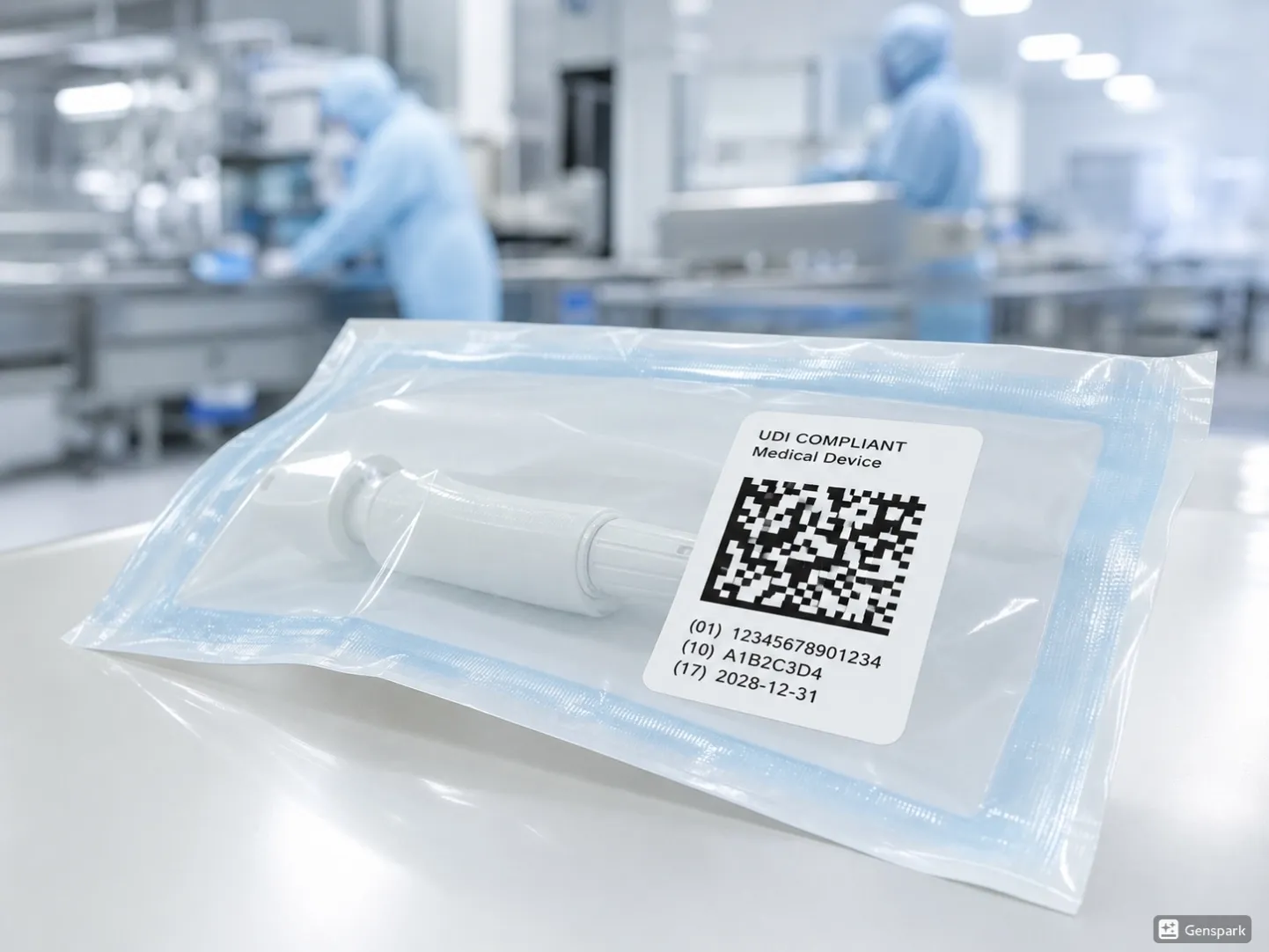
A medical device manufacturer needed labels that met FDA, ISO 13485, and biocompatibility standards. See how they navigated the certification maze.
Journal
Read buying guides, material comparisons, application stories, and lab updates from our engineering team.
A medical device manufacturer needed labels that met FDA, ISO 13485, and biocompatibility standards. See how they navigated the certification maze.
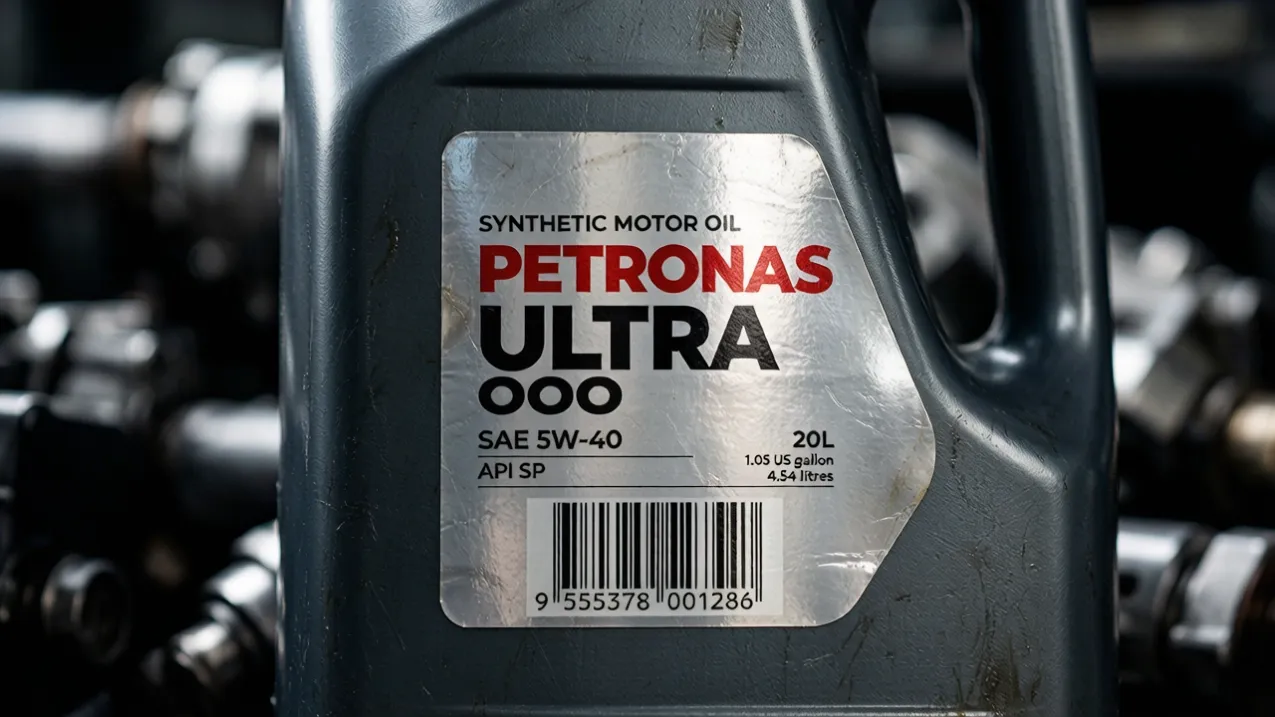
An automotive supplier's oil bottle labels kept peeling and smearing. See how they tested and selected the right label material and ribbon combination.
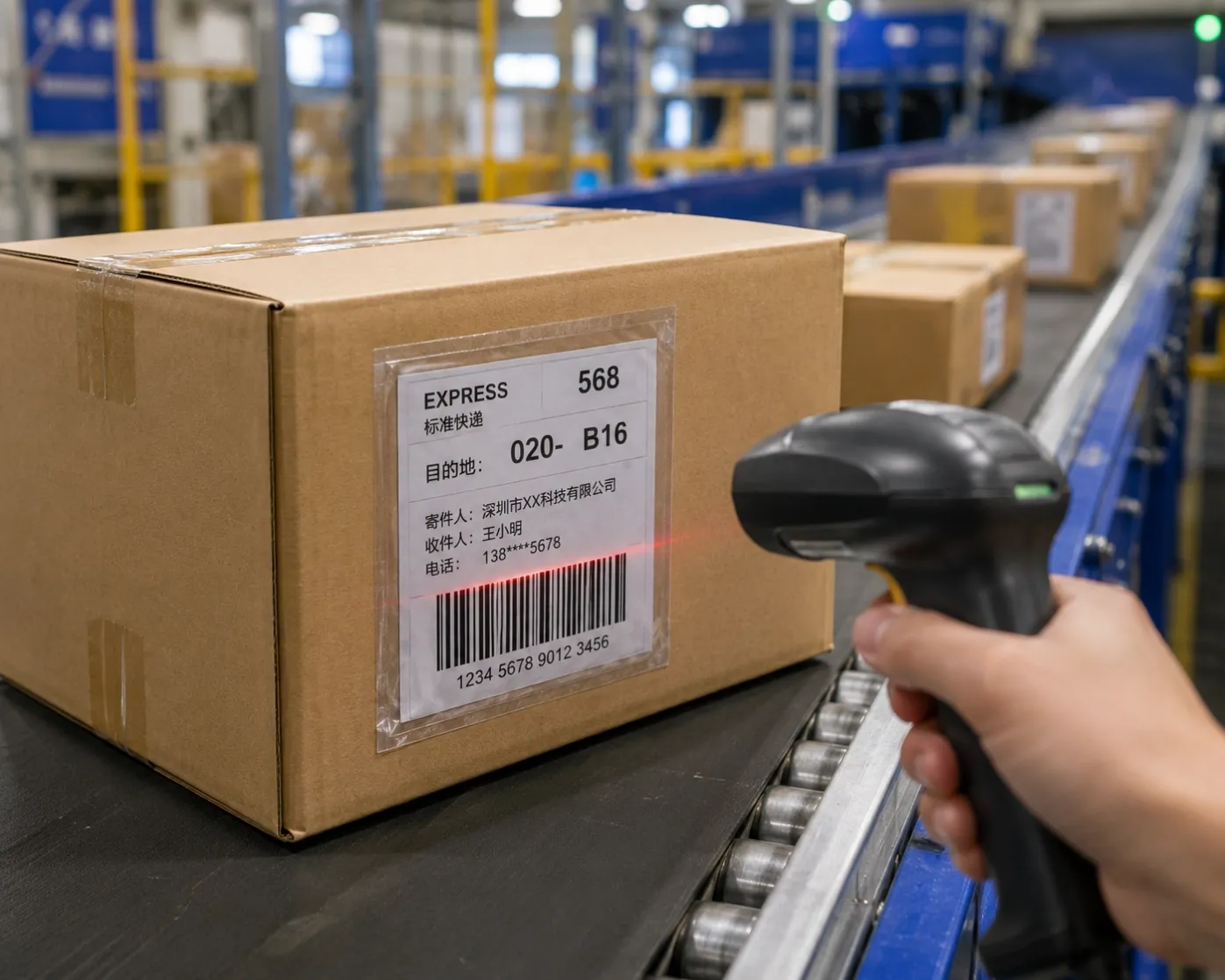
A busy e‑commerce warehouse had 12% unreadable barcodes due to scratched labels. Switching to scratch‑resistant PET labels improved scan rates to 99.5%.
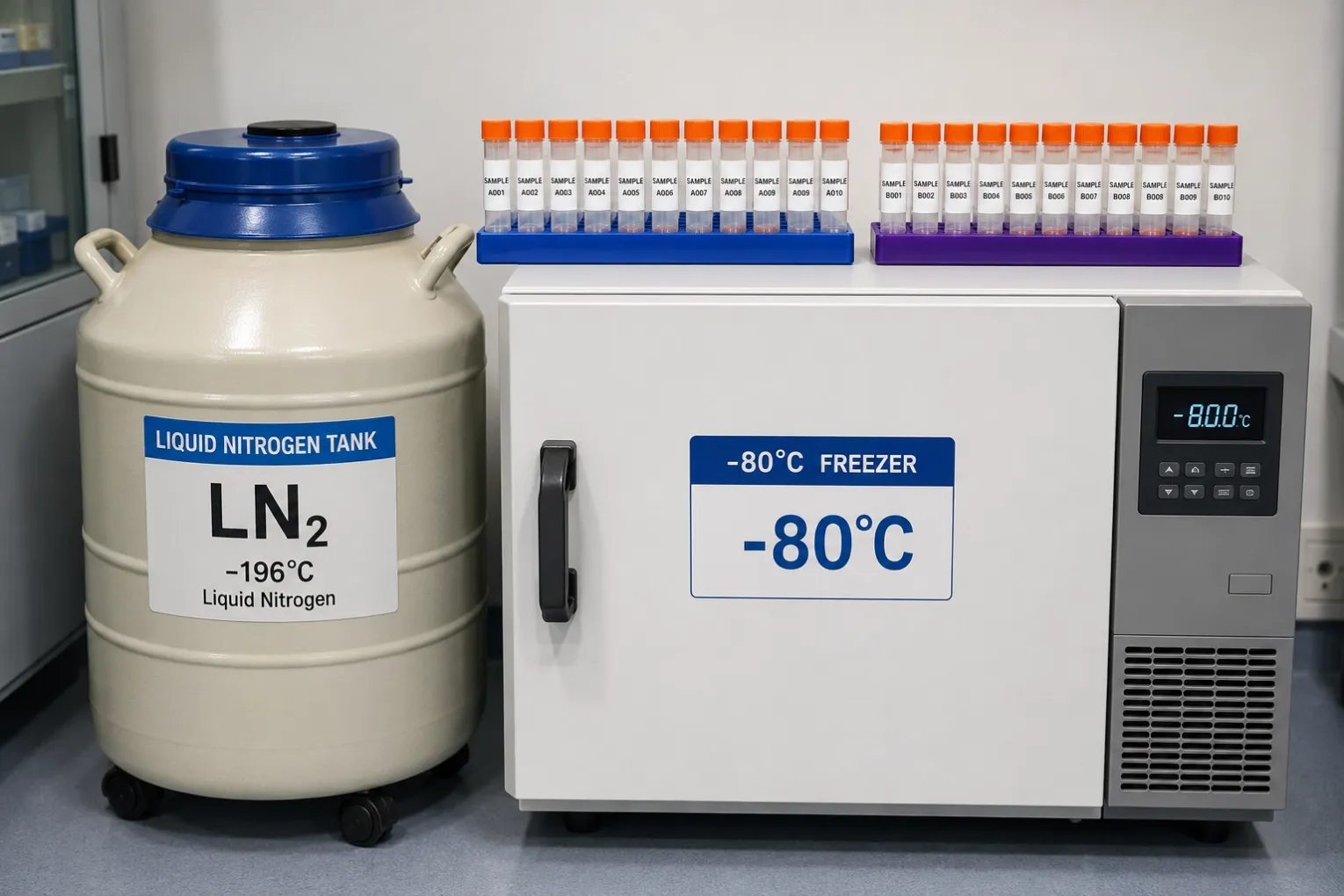
A biobank struggled with labels falling off at -80°C and cracking in liquid nitrogen. See how they found the right labels for each temperature zone.
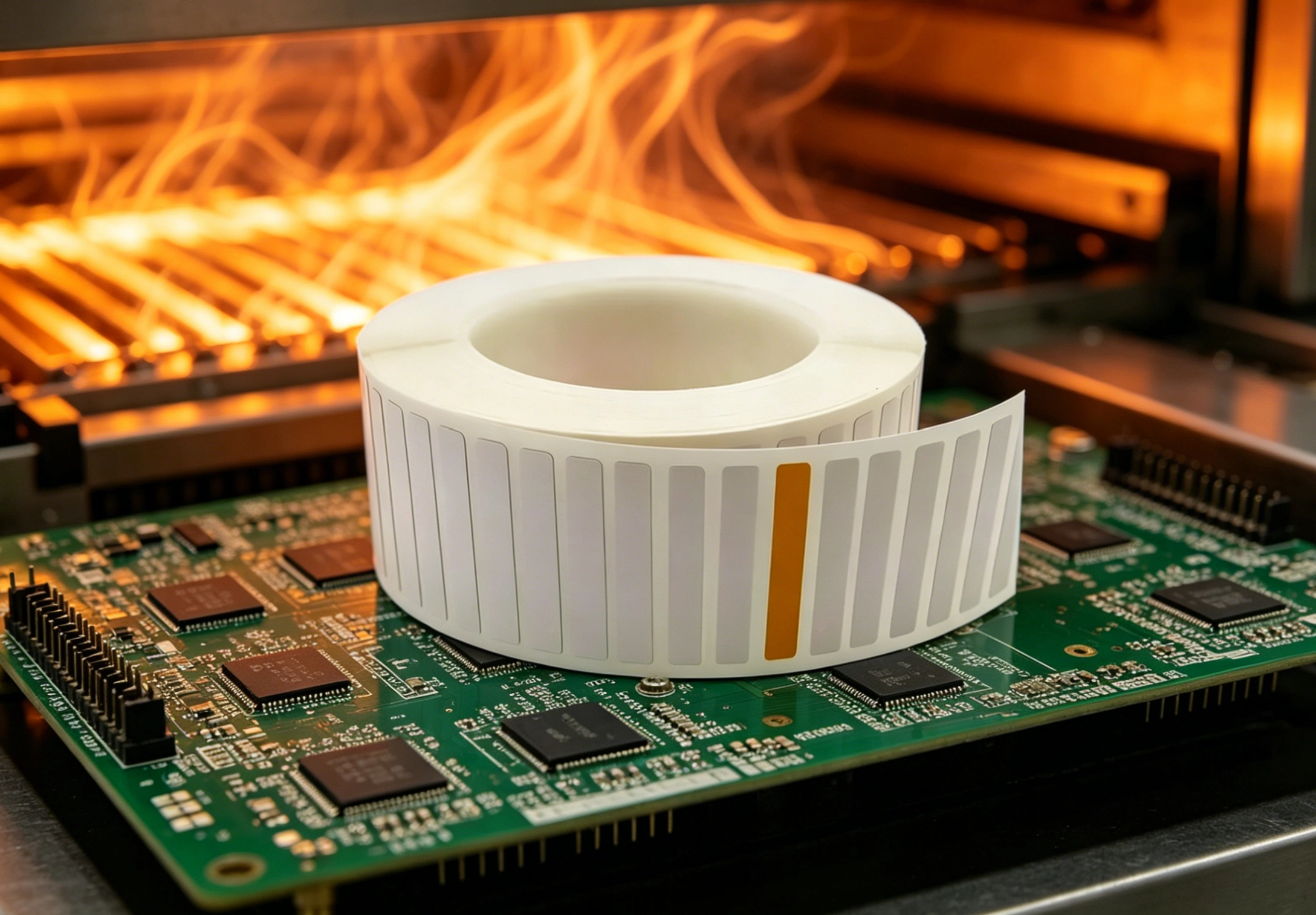
Misidentified PCBs after reflow cause costly rework. Learn how polyimide (PI) labels survive 260°C+ and enable reliable traceability – cutting rework rates by up to 30%.
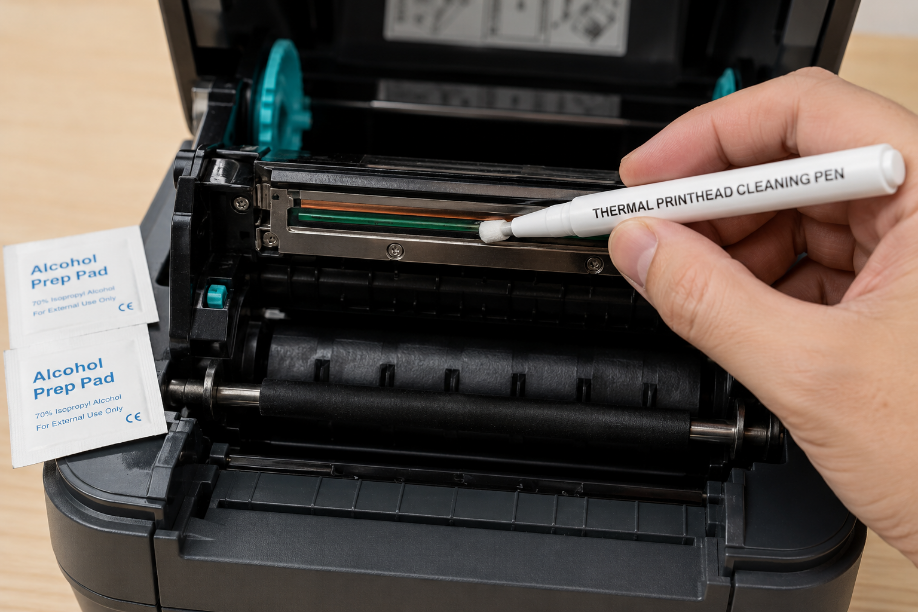
Printhead deposits from ribbons and labels reduce print quality and lifespan. Follow this step-by-step guide to clean safely and keep your thermal transfer printer running.
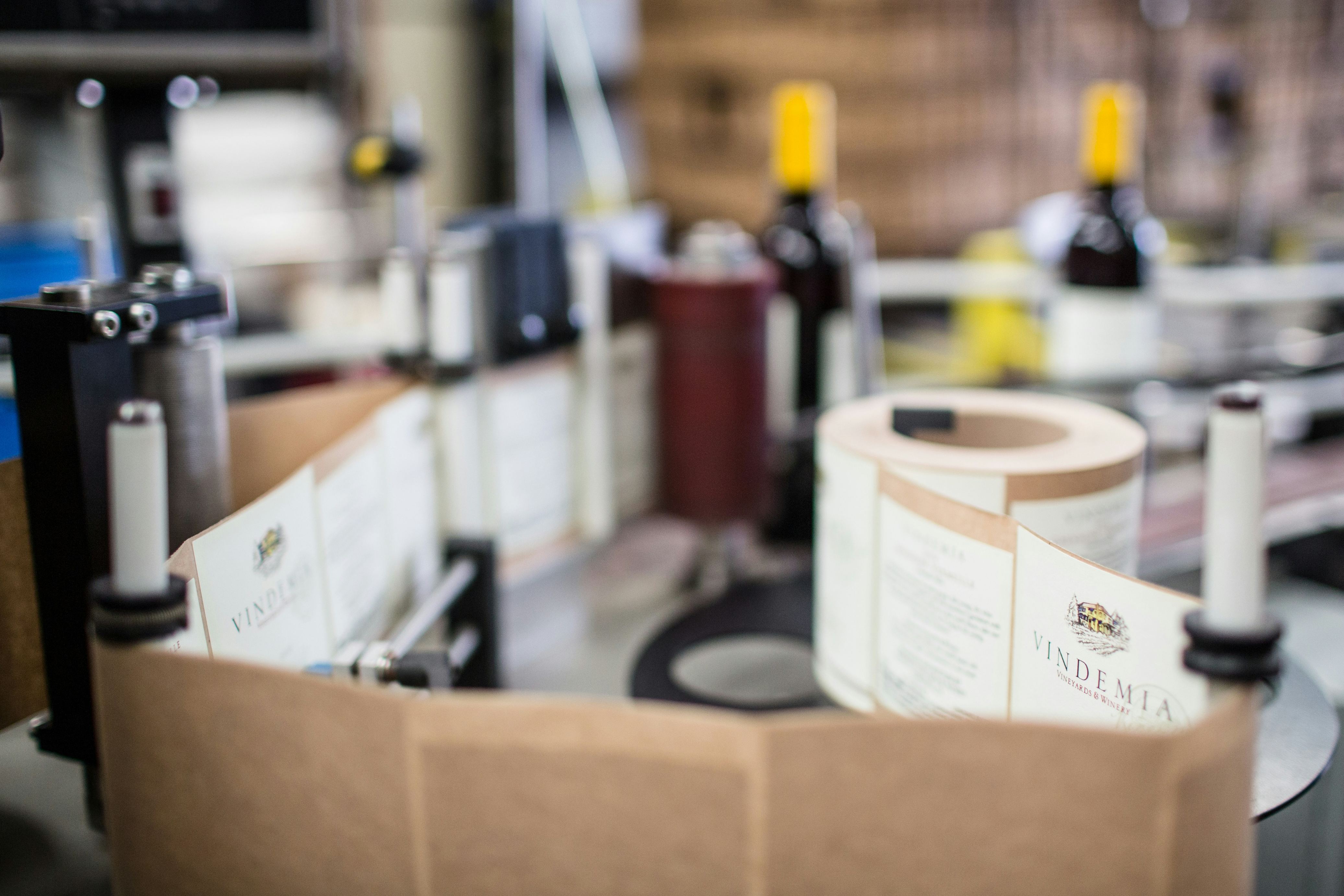
Avoid the 5 most common mistakes first-time buyers make when purchasing industrial labels, including choosing the wrong material, adhesive, ribbon, and printing method.
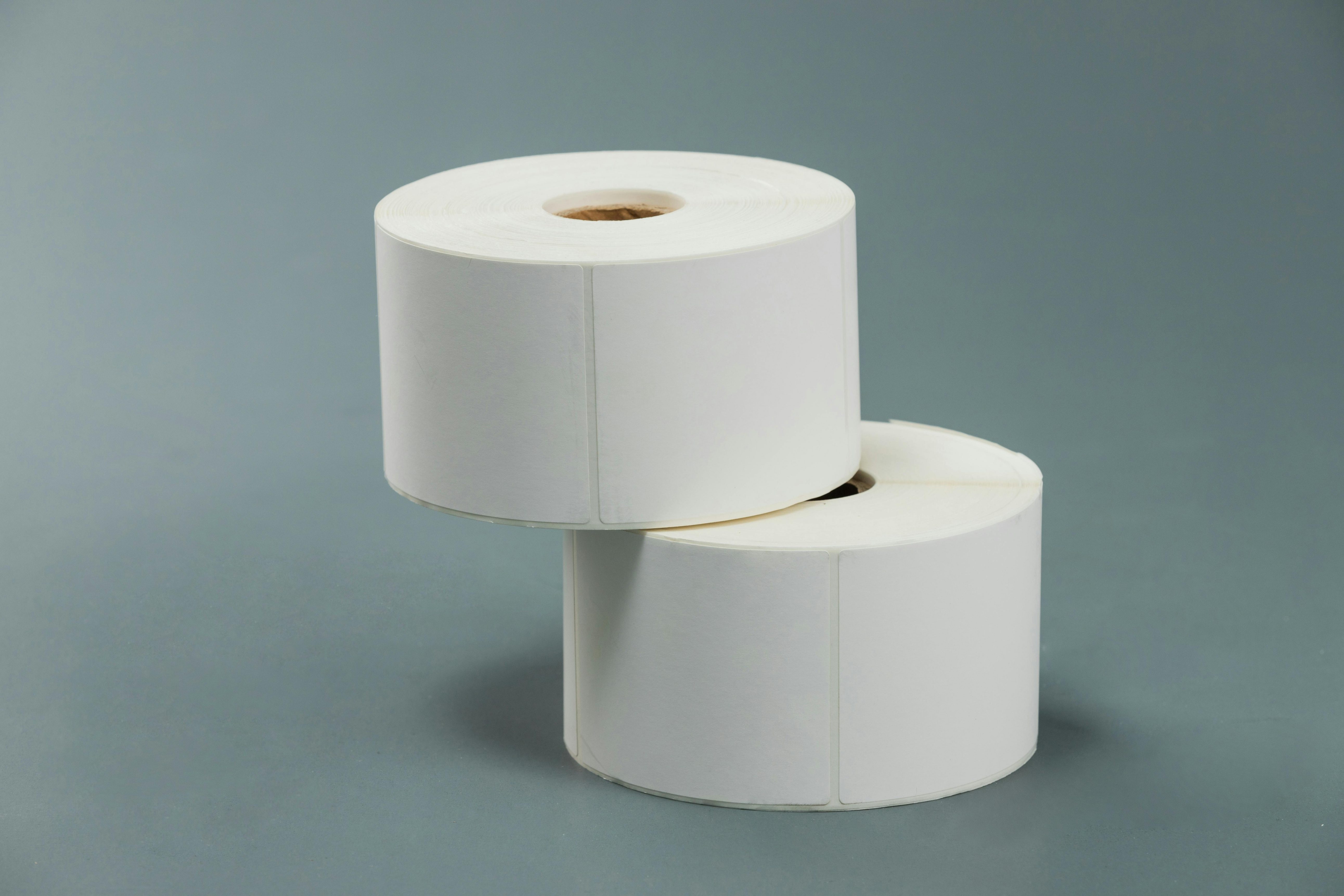
Discover why durable synthetic labels outperform paper labels in warehouse and logistics applications by reducing barcode failures, replacement costs, and operational downtime.
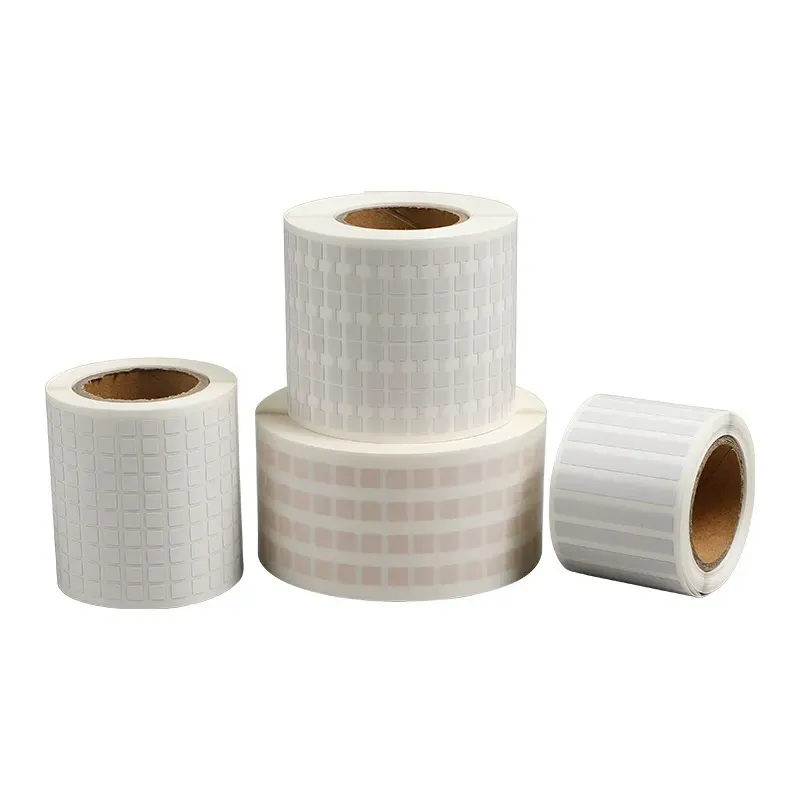
What makes PI labels survive 260°C reflow soldering? Learn how polyimide works, when you need it, and how to choose the right one for PCB assembly.
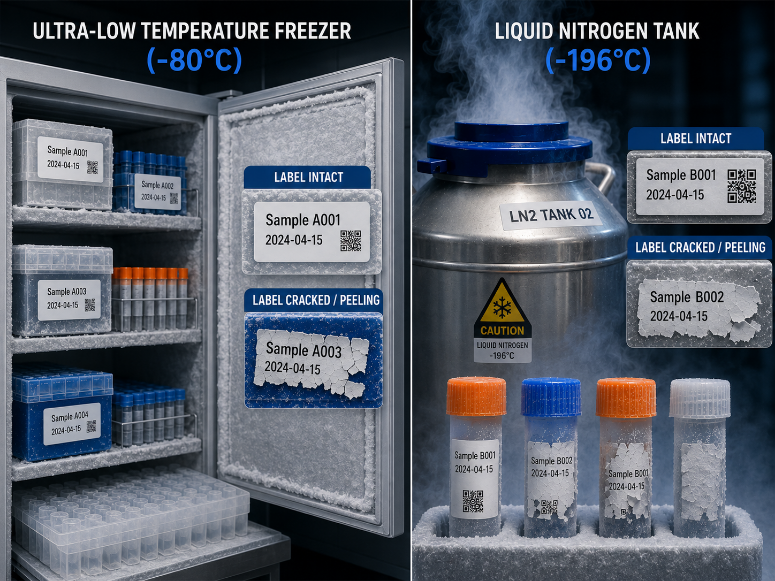
Labels that crack at -80°C or fall off in liquid nitrogen? Learn which materials and adhesives work for ultra-low temperatures and how to test them.
Recommended products
Popular materials selected to support the applications, compatibility tests, and technical insights featured in our journal.
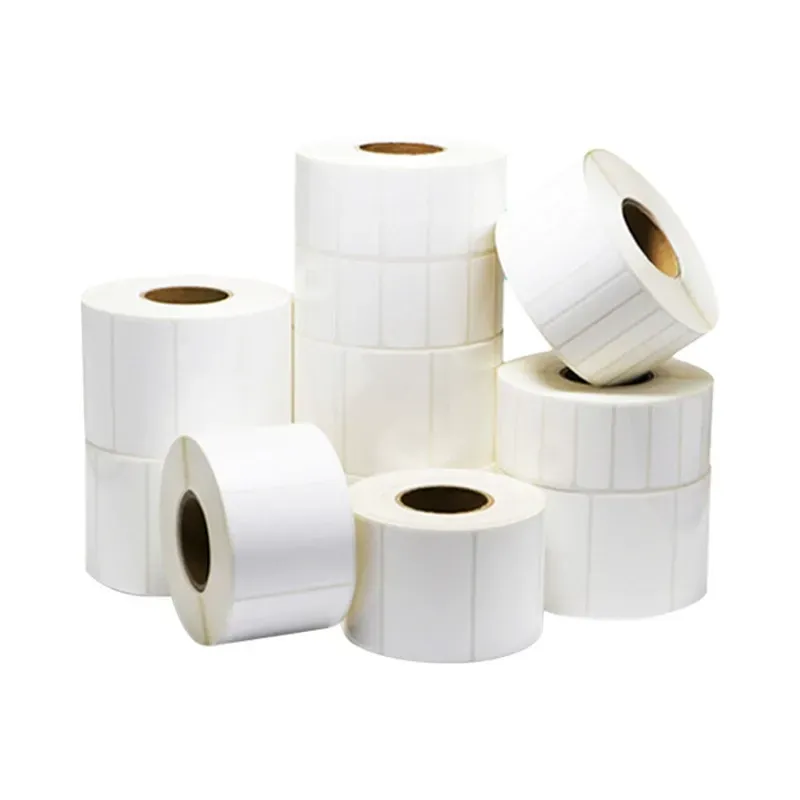
As a trusted supplier of chemical resistant labels and solvent resistant labels, we produce premium labels engineered to withstand aggressive chemicals including acetone, toluene, MEK, xylene, and ethyl acetate. Our chemical resistant labels maintain adhesion and legibility on chemical drums, laboratory bottles, and industrial containers – even after direct solvent exposure and repeated wipe-downs.
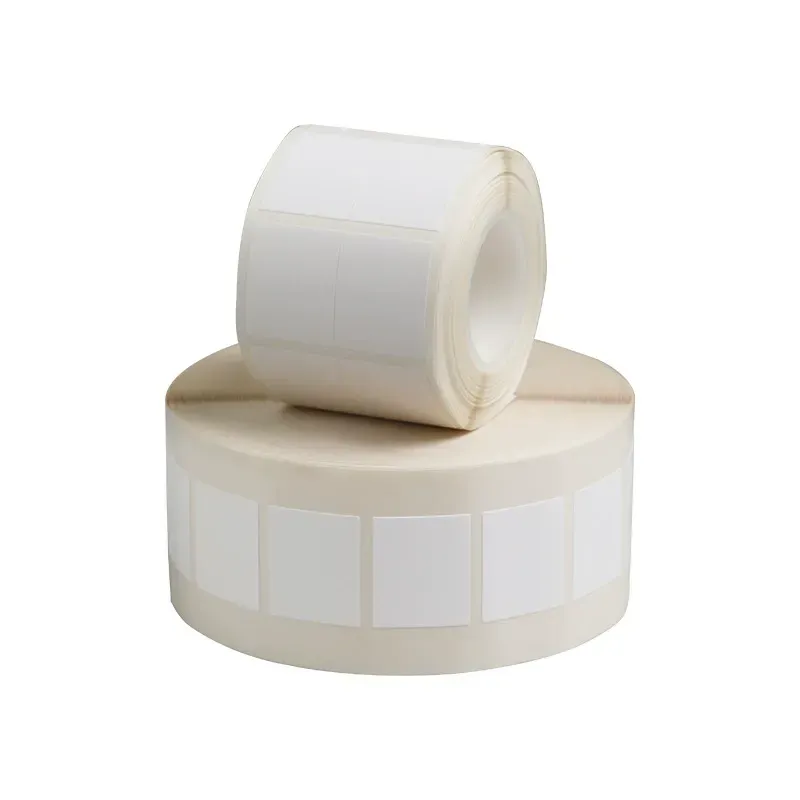
As a trusted supplier of cryogenic labels for liquid nitrogen, we produce premium labels engineered for direct immersion in LN₂ at -196°C. Our cryogenic labels maintain adhesion and legibility on cryo‑vials, frozen storage boxes, and freezer racks without cracking or delaminating – ensuring reliable sample tracking in biobanks and research laboratories.
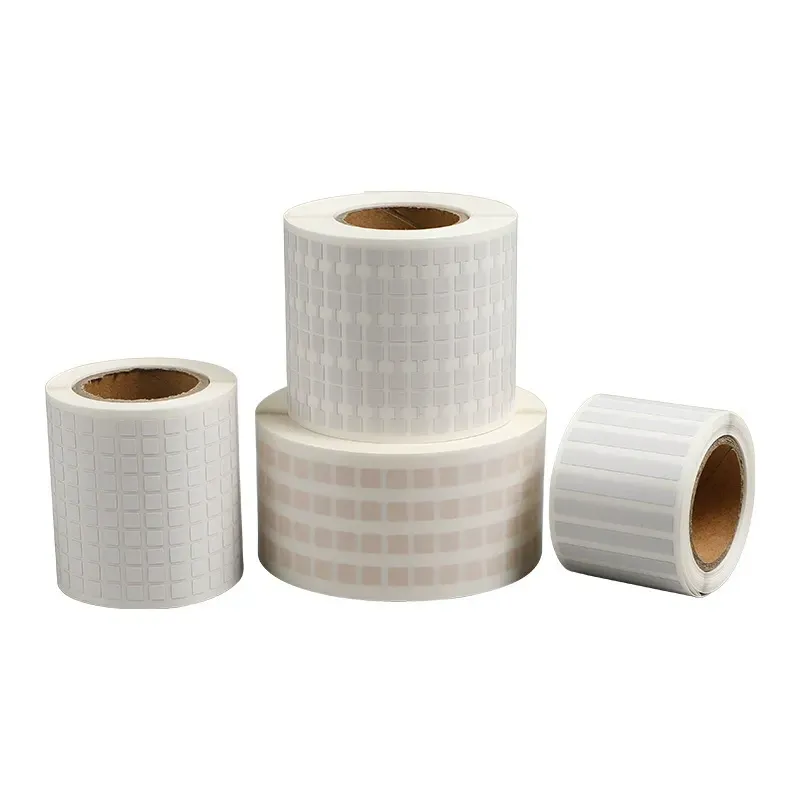
As a professional polyimide label manufacturer, we produce PCB high temperature labels engineered to survive lead‑free reflow soldering at 260°C+. Our polyimide (PI) labels deliver reliable barcode readability and adhesion through multiple thermal cycles, ensuring traceability in PCB assembly and SMT production lines.
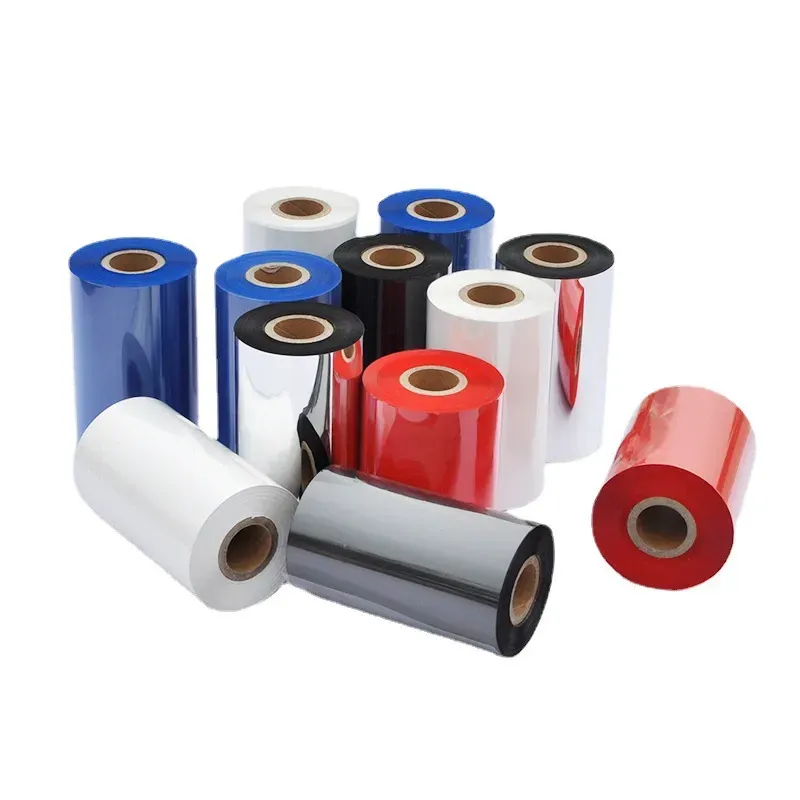
As a professional thermal transfer ribbon manufacturer, we produce premium resin thermal transfer ribbons for synthetic labels (PET, PI, PP, PE) requiring superior resistance to heat, chemicals, and abrasion. Engineered for barcode readability in outdoor, industrial, and cryogenic conditions.